
Ok,
So there has been a big hoopla over current House Minority Leader Nancy Pelosi supporting Congressman Murtha for House Majority Leader over Congressman Steny Hoyer. First I have to admit I am a supporter of Congressman Hoyer for Majority Leader.
My real question is why is no one else running for the Speaker of the House position. There were so many moderate and conservative Dems on the campaign trail vowing that they would not support Pelosi or that they would "keep their powder dry" on the endorsement of someone as Speaker of the House.
I'm really surprised that the Blue Dogs didn't put up a candidate to run against her but I guess stranger things have happened.
Wednesday, November 15, 2006


Monday, November 13, 2006
My Post Election Blog
The election came with mixed emotions. Democrats did great Nationally but in Georgia some things were a little disappointing. On the bright side all statewide Democratic incumbents won with the exception of public service commissioner David Burgess and he is in a runoff. John Eaves was elected chair of the Fulton county commission and Robb Pitts retained his seat on the commission as well. We didn't lose any US House Seats either. The State House and the State Senate races weren't horrible either. We didn't take them back of course but it wasn't a complete butt kicking.
I am proud at some of our candidates and I tip my hat to them. To Jim Martin, you ran one hell of a race. I was disappointed to see you lose but I feel good knowing that your campaign gave their all.
To Denise Majette, after reading your emails, I understand the problems that happened and cannot blame you for some of the shortcomings of the campaign.
To the State Party, particularly Pat, Annie, and Tahir. I understand the hard work you all put in this season and no matter what anyone else says I think you all did a great job. After all, you aren't miracle workers and it will take time to rebuild the party. We really can't expect huge victories over night. To the DCCC, I saw all of the independent expenditures that you all made on behalf of John Barrow and Jim Marshall and thank you for investing in Georgia.
To the statewide candidates that won, Congratulations! You are our party and now it rests on your shoulders.
To all of the new Dems in the House and Senate, good luck better you than me in that type of environment.
To Alisha Thomas-Morgan, thank you for being who you are and standing up against many people for what is right. I listened to you on WAOK on Election Day and I don't think I could have articulated my views any better than you did.
To those who blame Cathy Cox for Mark Taylor's defeat, I think you should take a look at GA election law and realize that her hands were tied and anyway how can one person be responsible for a defeat like that, let's be real the big guy lost in a big way we just need to suck it up and move on.
To the College Dems in the AUC, thanks for your hard work on the campaign invasion in Harold Ford, we worked hard and played hard.
In closing I must say it feels great to be a Democrat and I must leave you with a quote from Congresswoman Cynthia Mckinney's Concession Speech "Electronic Voting is a threat to our Democracy"
I am proud at some of our candidates and I tip my hat to them. To Jim Martin, you ran one hell of a race. I was disappointed to see you lose but I feel good knowing that your campaign gave their all.
To Denise Majette, after reading your emails, I understand the problems that happened and cannot blame you for some of the shortcomings of the campaign.
To the State Party, particularly Pat, Annie, and Tahir. I understand the hard work you all put in this season and no matter what anyone else says I think you all did a great job. After all, you aren't miracle workers and it will take time to rebuild the party. We really can't expect huge victories over night. To the DCCC, I saw all of the independent expenditures that you all made on behalf of John Barrow and Jim Marshall and thank you for investing in Georgia.
To the statewide candidates that won, Congratulations! You are our party and now it rests on your shoulders.
To all of the new Dems in the House and Senate, good luck better you than me in that type of environment.
To Alisha Thomas-Morgan, thank you for being who you are and standing up against many people for what is right. I listened to you on WAOK on Election Day and I don't think I could have articulated my views any better than you did.
To those who blame Cathy Cox for Mark Taylor's defeat, I think you should take a look at GA election law and realize that her hands were tied and anyway how can one person be responsible for a defeat like that, let's be real the big guy lost in a big way we just need to suck it up and move on.
To the College Dems in the AUC, thanks for your hard work on the campaign invasion in Harold Ford, we worked hard and played hard.
In closing I must say it feels great to be a Democrat and I must leave you with a quote from Congresswoman Cynthia Mckinney's Concession Speech "Electronic Voting is a threat to our Democracy"
Wednesday, November 08, 2006
RUMSFELD IS GONE!!!

Ok before I can blog about the election I have to say that there is reaking News that Rumsfeld is Resigning as Sec. of Defense. I guess Democrats beat up on him too bad this election. I AM SO HAPPY TO BE A DEMOCRAT!!!!!
Tuesday, November 07, 2006
Election Day
I'm out campaigning for John Eaves today. Despite the rain people are still going out to vote. Almost every house I go to, the person answers the door with an "I voted" sticker on. Despite the cold wet weather, I'm excited!!!
Sent via BlackBerry from T-Mobile

Friday, November 03, 2006
When are tv ads annoying?
Ok. I know that its less than a week before the election and maybe I'm just burnt out from reading and watching so much political stuff but I just have to discuss this.
So its 11:52 pm and I'm doing my nightly ritual of lying in the bed and watching roseanne until I fall asleep when I see the new sonny ad with zell miller. Who really wants to see a political ad at that time of night. Honestly at this time, the last thing I care about is politics. I just want to watch roseanne and designing women in peace so I can get my 5 hours of sleep before my day begin.
What do you think? Have I had a political overload or do I have a valid point?
Sent via BlackBerry from T-Mobile
Monday, October 16, 2006
Georgia Invades Tennessee
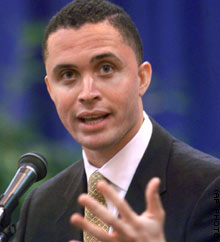
Join College Students from Georgia and the entire South as we invade Tennessee for the Harold Ford for US Senate Campaign. Students will be leaving Atlanta Friday and will be returning Sunday. Hotels and transportation will be covered by College Democrats of America. Take part in a historic race that will help Democrats take back the US Senate. If you are interested, please email Javier Brown at javierabrown@gmail.com or call at 678-683-6089 AS SOON AS POSSIBLE so hotel reservations can be made.
THANKS!!!
Tuesday, September 19, 2006
WHAT IN THE WORLD IS GOING ON PEOPLE?
Here we go again. The AJC is reporting that Mark Taylor has a new proposal. The Death penalty for repeat child molesters. I do agree that child molesters are sick and twisted individuals but do we even have to get on the death penalty debate?
It's beyond disgusted now... I'm pissed.
It's beyond disgusted now... I'm pissed.
Saturday, September 16, 2006
Congressman Barrow responds to Max Burns Ad
Congressman Barrow responds to Max Burns Ad claiming that he supports Amnesty for Illegal Immigrants. I think it's a great ad. What do you think?
Wednesday, September 13, 2006
Former Texas Governor Ann Richards Dies
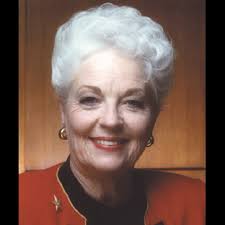
Washington Post is Reporting the former Texas Governor Ann Richards passed away today after a battle with esophogeal cancer. They have a great article that I encourage everyone to read.
Monday, September 11, 2006
Who Gives a flip if Cathy Cox will be at the State Convention
Ok.
It's really stupid to sit around and discuss whether or not Cathy Cox knew or didn't know the date of the State Convention. Honestly people, she is not the nominee so does it really matter if she will be in attendance. How many votes will be gained from Cathy Cox making an appearance to a room full of the core activists of the party. Let her take her vacation with her family
GEESH People!!!
It's really stupid to sit around and discuss whether or not Cathy Cox knew or didn't know the date of the State Convention. Honestly people, she is not the nominee so does it really matter if she will be in attendance. How many votes will be gained from Cathy Cox making an appearance to a room full of the core activists of the party. Let her take her vacation with her family
GEESH People!!!
Thursday, September 07, 2006
I'm disgusted
If you haven't seen Mark Taylor's new ad, you can click here and see it for yourself. Maybe I'm too liberal (although I don't really consider myself a liberal) but this commercial makes me want to vomit. Is ending parole really a great part of a campaign platform. I just think that we can come up with a more comprehensive approach to solving crime than locking people up for years without any type of rehabilitation.
Are we still Democrats people?
Are we still Democrats people?
Tuesday, August 15, 2006
Alabama Lawmaker tells Christian Coaltion to "Go Straight to Hell"
And today my friends.. I am proud to say I am from Alabama.
The Birmingham News is reporting that State Rep. Alvin Holmes (D-Montgomery). Told the Christian Coalition to go straight to Hell.
Below is an excerpt from the article.
MONTGOMERY - The Christian Coalition of Alabama claims allegiance with heaven, but a Montgomery lawmaker on Monday told the group's leader to go some place warm and fiery.
Rep. Alvin Holmes, D-Montgomery, responding to the group's annual political questionnaire, asked the Coalition President John Giles to first answer questions about casino-interest money the group received and other matters.
"Until you answer these three questions, Go straight to hell," Holmes wrote
Click here for the entire article.
The Birmingham News is reporting that State Rep. Alvin Holmes (D-Montgomery). Told the Christian Coalition to go straight to Hell.
Below is an excerpt from the article.
MONTGOMERY - The Christian Coalition of Alabama claims allegiance with heaven, but a Montgomery lawmaker on Monday told the group's leader to go some place warm and fiery.
Rep. Alvin Holmes, D-Montgomery, responding to the group's annual political questionnaire, asked the Coalition President John Giles to first answer questions about casino-interest money the group received and other matters.
"Until you answer these three questions, Go straight to hell," Holmes wrote
Click here for the entire article.
Monday, August 14, 2006
John Edwards Calls for immediate Iraq withdrawal.

Ok I know this post is late but I couln't go by without posting this. The Associated Press is reporting that Sen. John Edwards was in New Hampshire last week and called for an Immediate withdrawal of troops from Iraq. The former senator from North Carolina told reporters America should "make it clear (to Iraqis) we are leaving, and the best way is to start leaving. We should take 40,000 combat troops out now."
I believe that the best thing we can do is to start gradually withdrawing to A. Ensure more cooperation for coalition forces and B. Ensure that the Iraqi Government begins to take more control of the situation.
Black America Must Confront AIDS
This is a must read Washington Post Op-ED by Julian Bond.
By Julian Bond
Monday, August 14, 2006; Page A13
It's been 25 years since we first learned of a disease that was killing a handful of white, gay men in a few of our nation's largest cities -- a disease that later became known as AIDS. But lulled by media images that portrayed AIDS mainly as a white, gay disease, we looked the other way: Those people weren't our people. AIDS was not our problem. It had not entered our house.
We had our own problems to deal with, so we let those people deal with their problem. But that was a quarter-century ago, and a lot has changed. Now, in 2006, almost 40 million people worldwide have HIV, and 25 million are dead. And most of those who have died and are dying are black. That's not just because of the devastation the pandemic has wreaked upon Africa.
The face of AIDS in the United States is primarily black as well. The majority of new HIV infections here are black, the majority of people who die from AIDS here are black and the people most at risk of contracting this virus in the United States are black. AIDS is now in our house. It's now our problem, and we must come up with solutions.
This week, a historic contingent of black leaders will attend the 16th International AIDS Conference in Toronto to put AIDS in our community at the top of the national agenda. All of black America must do the same. Every African American must stand with us, take ownership of AIDS and fight this epidemic with every resource we have.
I realize that what we are proposing may seem an overwhelming task. But we know it can be done. When AIDS hit the gay community, its members couldn't afford to wait for the government to save them; instead they worked to save themselves -- in part by using tactics and strategies out of our civil rights playbook. AIDS is a major civil rights issue of our time.
We cannot wait for the government to come and rescue us either -- that help may never come. Part of our response must be to eliminate the rabid homophobia that lives in our schools, our homes and especially our churches. Our inability to talk about sex, and more specifically homosexuality, is the single greatest barrier to the prevention of HIV transmission in our community. Intolerance has driven our gay friends and neighbors into the shadows. Men leading double lives -- on the "down low" -- put our women at extreme risk.
We must also overcome our resistance to safer sex practices that can help prevent the spread of AIDS, and we must ensure that our young people know exactly what AIDS is and how to protect themselves against it.
For black America, the time to deliver is now. We're calling on leaders to lead. The AIDS story in the United States is partly one of a failure to lead. Prominent blacks -- from traditional ministers and civil rights leaders to hip-hop artists and Hollywood celebrities -- must immediately join this national call to action to end the AIDS epidemic in black America.
We're calling on black America to engage in a coordinated campaign with concrete, measurable goals and objectives and real deadlines. Each of us must identify strategies and activities that match our unique niches and capabilities.
We must build a new sense of urgency in black America, so that no one accepts the idea that the presence of HIV and AIDS is inevitable.
We're calling on black America to get informed about the science and facts about AIDS. Knowledge is a powerful weapon in this war.
We're calling on black Americans to get screened and find out their HIV status. I have -- it took 20 minutes and was bloodless and painless. Knowing your HIV status and the status of your partner can save your life.
We're calling for a massive effort to address the disproportionate impact this epidemic is having on black youth, women, injecting drug users and men who have sex with men.
We must also pressure our government and elected officials -- at local, state and national levels -- to be far more responsible partners than they have been. We must lift the federal ban on funding for needle exchange programs, which have been proven to slow the spread of AIDS. We must also work with elected officials to promote comprehensive, age-appropriate, culturally competent AIDS prevention efforts that give young people the tools they need to protect themselves.
We must heed Martin Luther King Jr.'s warning, originally meant for others but right for us now: "Nothing in the world is more dangerous than sincere ignorance and conscientious stupidity."
The writer is a professor at American University and the University of Virginia and chairman of the board of the NAACP.
By Julian Bond
Monday, August 14, 2006; Page A13
It's been 25 years since we first learned of a disease that was killing a handful of white, gay men in a few of our nation's largest cities -- a disease that later became known as AIDS. But lulled by media images that portrayed AIDS mainly as a white, gay disease, we looked the other way: Those people weren't our people. AIDS was not our problem. It had not entered our house.
We had our own problems to deal with, so we let those people deal with their problem. But that was a quarter-century ago, and a lot has changed. Now, in 2006, almost 40 million people worldwide have HIV, and 25 million are dead. And most of those who have died and are dying are black. That's not just because of the devastation the pandemic has wreaked upon Africa.
The face of AIDS in the United States is primarily black as well. The majority of new HIV infections here are black, the majority of people who die from AIDS here are black and the people most at risk of contracting this virus in the United States are black. AIDS is now in our house. It's now our problem, and we must come up with solutions.
This week, a historic contingent of black leaders will attend the 16th International AIDS Conference in Toronto to put AIDS in our community at the top of the national agenda. All of black America must do the same. Every African American must stand with us, take ownership of AIDS and fight this epidemic with every resource we have.
I realize that what we are proposing may seem an overwhelming task. But we know it can be done. When AIDS hit the gay community, its members couldn't afford to wait for the government to save them; instead they worked to save themselves -- in part by using tactics and strategies out of our civil rights playbook. AIDS is a major civil rights issue of our time.
We cannot wait for the government to come and rescue us either -- that help may never come. Part of our response must be to eliminate the rabid homophobia that lives in our schools, our homes and especially our churches. Our inability to talk about sex, and more specifically homosexuality, is the single greatest barrier to the prevention of HIV transmission in our community. Intolerance has driven our gay friends and neighbors into the shadows. Men leading double lives -- on the "down low" -- put our women at extreme risk.
We must also overcome our resistance to safer sex practices that can help prevent the spread of AIDS, and we must ensure that our young people know exactly what AIDS is and how to protect themselves against it.
For black America, the time to deliver is now. We're calling on leaders to lead. The AIDS story in the United States is partly one of a failure to lead. Prominent blacks -- from traditional ministers and civil rights leaders to hip-hop artists and Hollywood celebrities -- must immediately join this national call to action to end the AIDS epidemic in black America.
We're calling on black America to engage in a coordinated campaign with concrete, measurable goals and objectives and real deadlines. Each of us must identify strategies and activities that match our unique niches and capabilities.
We must build a new sense of urgency in black America, so that no one accepts the idea that the presence of HIV and AIDS is inevitable.
We're calling on black America to get informed about the science and facts about AIDS. Knowledge is a powerful weapon in this war.
We're calling on black Americans to get screened and find out their HIV status. I have -- it took 20 minutes and was bloodless and painless. Knowing your HIV status and the status of your partner can save your life.
We're calling for a massive effort to address the disproportionate impact this epidemic is having on black youth, women, injecting drug users and men who have sex with men.
We must also pressure our government and elected officials -- at local, state and national levels -- to be far more responsible partners than they have been. We must lift the federal ban on funding for needle exchange programs, which have been proven to slow the spread of AIDS. We must also work with elected officials to promote comprehensive, age-appropriate, culturally competent AIDS prevention efforts that give young people the tools they need to protect themselves.
We must heed Martin Luther King Jr.'s warning, originally meant for others but right for us now: "Nothing in the world is more dangerous than sincere ignorance and conscientious stupidity."
The writer is a professor at American University and the University of Virginia and chairman of the board of the NAACP.
Wednesday, August 09, 2006
The Primary is over.. My questions for the Georgia Democratic Candidates
Everyone is using today to talk about Run-off Results. Instead, I am choosing to use today to ask our nominees a series of questions to prepare for November.
1. Who is the Field Director for the campaign.
2. If you don't have a field staff or director, do you plan on hiring one?
3. Will the actual campaign be developing and executing their own comprehensive field plan independent of the state party and outside organizations?
4. Will you try to run to the right on issues to avoid the debate on serious matters and principles of our party?
5. How many volunteers and interns do you have now and do you plan on recruiting any more any time soon.
6. Do you have any plans for Voter Education Registration and Mobilization on college campuses?
7. What are your plans for targeting and GOTV in the African American Communities.
8. Does your campaign hae a staff that is diverse in race, age, gender, and sexual orientation?
9. Do you plan on making any unified apperances in the near future with the entire slate of statewide Democratic nominees.
10. How seriously do you take the blogosphere and how actively do you plan to participate in it?
I think these are serious questions that each campaign needs to be asking in staff meetings right now.
1. Who is the Field Director for the campaign.
2. If you don't have a field staff or director, do you plan on hiring one?
3. Will the actual campaign be developing and executing their own comprehensive field plan independent of the state party and outside organizations?
4. Will you try to run to the right on issues to avoid the debate on serious matters and principles of our party?
5. How many volunteers and interns do you have now and do you plan on recruiting any more any time soon.
6. Do you have any plans for Voter Education Registration and Mobilization on college campuses?
7. What are your plans for targeting and GOTV in the African American Communities.
8. Does your campaign hae a staff that is diverse in race, age, gender, and sexual orientation?
9. Do you plan on making any unified apperances in the near future with the entire slate of statewide Democratic nominees.
10. How seriously do you take the blogosphere and how actively do you plan to participate in it?
I think these are serious questions that each campaign needs to be asking in staff meetings right now.
Monday, August 07, 2006
What would Jesus do?- He wouldn't pass anti-panhandling laws to punish the poor
John Sugg writes an impressive article in Creative loafing on Poverty and Homelessness in Atlanta. I think Everyone should read it. Tell me what you think.
As I was dashing to downtown's Commerce Club a few weeks ago to meet with people of power, I met a young woman with her own powerful, if sad, message.
"You got some fancy nice shoes," the woman said, pointing at my pretty standard penny loafers, admittedly shined to brilliance. She had a speech impediment, and I'd guess she was retarded. A stoop forced her to spend a lot of her life looking at other people's shoes. I asked her name, and she said something like "Tish," but it was hard to understand.
It was clear that Tish was a street person, and, while waiting for the "Walk" light, I anticipated the pitch for a handout. It didn't come. I bemusedly asked, "Are you going to ask for money?" She shyly replied, "Just lose it if you gave me some."
Click here for the rest of the Article.
As I was dashing to downtown's Commerce Club a few weeks ago to meet with people of power, I met a young woman with her own powerful, if sad, message.
"You got some fancy nice shoes," the woman said, pointing at my pretty standard penny loafers, admittedly shined to brilliance. She had a speech impediment, and I'd guess she was retarded. A stoop forced her to spend a lot of her life looking at other people's shoes. I asked her name, and she said something like "Tish," but it was hard to understand.
It was clear that Tish was a street person, and, while waiting for the "Walk" light, I anticipated the pitch for a handout. It didn't come. I bemusedly asked, "Are you going to ask for money?" She shyly replied, "Just lose it if you gave me some."
Click here for the rest of the Article.
Sunday, August 06, 2006
Mckinney was right about Congress.org
Everyone has been saying that Congresswoman Mckinney lied about her rating on Congress.org but the truth is, she didn't. If you read the Press Release by her campaign or listen to the debate, she talks about legislative effectiveness within the Georgia Democratic Delegation. She was the only one to have a bill passed this session out of the Democratic Delegation from Georgia giving her the highest ranking on legislative effectiveness. But you don't have to take my word for it, You can See for Yourself
Saturday, August 05, 2006
Hank Johnson- A racist and bigot?
Since we're talking about Middle East policy I will say that the abundant number of contributors to Ms. Mckinney's campaign have Palestinian and Arabic surnames now I could accuse her of being under the control of terrorists
This is what Hank Johnson said in a debate on Thursday night. Am I the only person who thinks that this is the most racist and bigoted statement I have heard from a candidate. Can we really count on him to represent Georgia well in DC? No matter what your take is on Middle East Policy, it is outrageous and despicable to imply that every person of Arabic or Palestinian Descent is a terrorist. I would expect this from a Republican but definitely not a Democrat. Here is a link to the video as well as the clip itself.
Thursday, August 03, 2006
Sunday, July 30, 2006
Hillary Clinton is my kind of Democrat

New York Times is reporting on a Congressional trip to Estonia, Senator Clinton challenged Senator John Mccain and others to a vodka drinking contest.
MY KIND OF DEMOCRAT!!!!
Friday, July 21, 2006
Monday, July 03, 2006
Kevin Edwards, District 56 Candidate; Another "Young Gun?"
Newsmaker's Journal
The Atlanta Voice
Monday, July 3, 2006
Kevin Edwards,
District 56 Candidate
Another “Young Gun”?
By Maynard Eaton
In the past this column has passionately touted the political potential of “young guns” like State Senator Kasim Reed, Atlanta Councilman Ivory Young, Rep. Ron Sailor, Jr., and Rep. “Able” Mabel Thomas among others. They have all since matured into quality, effective elected leaders who are making the sort of difference we can be proud of.
Now, I’m convinced that 34-year-old, developer and businessman Kevin Edwards is positioned and prepared to emerge as a quintessential public servant as well. He’s got the requisite skills, savvy and smarts – now the dynamic Mechanicsville resident has to win. “I have nothing to gain financially by being in politics,” says the owner of Edwards Financial Group. “I’m making good money, but I just have compassion and a deep desire to help people. Like the late, great [state legislator Rev.] Hosea Williams—I will be un-bought and un-bossed.”
Edwards lost his first bid for elective office last November to Atlanta City Council veteran Cleta Winslow, whose victory was cemented by Mayor Shirley Franklin’s formidable political machine. Arguably the best candidate did not win.
“I keep running for office because I know I can get in there and make a difference; get the proper services we need, get the proper funding we need for our schools, get the proper services for our elderly and make sure people are being treated fairly,” says the former senior budget analyst for the City of Atlanta. “My grandmother lives in the Pittsburgh community, and I am tired of seeing drug deals going down on her corner. I’m tired of seeing the people next door not having food to eat. I’m just tired of my people living the way they live. Some of the areas I’m trying to represent are worse then a Third World country. I want to make sure my people get their just due, and that is just not happening.”
Edwards, who builds single family homes, promises to be a vigorous “voice for change” in a district that is now about 60 percent African American, and cuts through the heart of Atlanta. It starts south of University Avenue and Capitol View and Capitol View Manor. It comes up Metropolitan Parkway – including Adair Park, parts of Pittsburgh and Mechanicsville. It then includes the Atlanta University Center area and downtown. It also includes a portion of Vine City, my neighborhood of Home Park, Atlantic Station, Georgia Tech and Georgia State. It ends up on the northern end with Ansley Park and Sherwood Forest.
Although the demographics are seemingly there for a young black man to win the District 56 race, Edwards admits it is going to be “a hard fought battle” because he faces an entrenched and likeable opponent in Rep. Kathy Ashe who has held the seat since 1991 although the makeup of the House district has changed considerably because the federal court recently redrew the state’s political map.
“I’m not a stranger in any part of the district,” says Ashe, a former Republican. “It’s changed every time there has been a change in maps and in our reapportionment system that happens frequently. I actually see those changes as great opportunities to make new friends and learn about new issues. I really care about the folks I represent.”
But Edwards argues that Ashe cannot possibly fathom or grasp the depth of despair that grips much of her new constituency.
“Her community is much different then the majority of the district,” Edwards asserts. “The majority of the district is impoverished, uneducated and beset by a lot of unique problems that only a person who has lived in the community or knows about those kind of low income communities can help solve. The current representation does not match the people that comprise the district.
“It’s not the person I am running against,” he says respectively of Ashe. “It’s about having someone like me who knows the problems and what is going on in the community. It is knowing how to touch people of similar descent. Where she lives only represents 30 percent of the district. We really need representation that represents us.”
Kathy Ashe has served her district pretty well for 15 years, but the district’s demographics have now changed dramatically. It now may also be the time for a dramatic change in leadership and new, more perceptive representation for t
The Atlanta Voice
Monday, July 3, 2006
Kevin Edwards,
District 56 Candidate
Another “Young Gun”?
By Maynard Eaton
In the past this column has passionately touted the political potential of “young guns” like State Senator Kasim Reed, Atlanta Councilman Ivory Young, Rep. Ron Sailor, Jr., and Rep. “Able” Mabel Thomas among others. They have all since matured into quality, effective elected leaders who are making the sort of difference we can be proud of.
Now, I’m convinced that 34-year-old, developer and businessman Kevin Edwards is positioned and prepared to emerge as a quintessential public servant as well. He’s got the requisite skills, savvy and smarts – now the dynamic Mechanicsville resident has to win. “I have nothing to gain financially by being in politics,” says the owner of Edwards Financial Group. “I’m making good money, but I just have compassion and a deep desire to help people. Like the late, great [state legislator Rev.] Hosea Williams—I will be un-bought and un-bossed.”
Edwards lost his first bid for elective office last November to Atlanta City Council veteran Cleta Winslow, whose victory was cemented by Mayor Shirley Franklin’s formidable political machine. Arguably the best candidate did not win.
“I keep running for office because I know I can get in there and make a difference; get the proper services we need, get the proper funding we need for our schools, get the proper services for our elderly and make sure people are being treated fairly,” says the former senior budget analyst for the City of Atlanta. “My grandmother lives in the Pittsburgh community, and I am tired of seeing drug deals going down on her corner. I’m tired of seeing the people next door not having food to eat. I’m just tired of my people living the way they live. Some of the areas I’m trying to represent are worse then a Third World country. I want to make sure my people get their just due, and that is just not happening.”
Edwards, who builds single family homes, promises to be a vigorous “voice for change” in a district that is now about 60 percent African American, and cuts through the heart of Atlanta. It starts south of University Avenue and Capitol View and Capitol View Manor. It comes up Metropolitan Parkway – including Adair Park, parts of Pittsburgh and Mechanicsville. It then includes the Atlanta University Center area and downtown. It also includes a portion of Vine City, my neighborhood of Home Park, Atlantic Station, Georgia Tech and Georgia State. It ends up on the northern end with Ansley Park and Sherwood Forest.
Although the demographics are seemingly there for a young black man to win the District 56 race, Edwards admits it is going to be “a hard fought battle” because he faces an entrenched and likeable opponent in Rep. Kathy Ashe who has held the seat since 1991 although the makeup of the House district has changed considerably because the federal court recently redrew the state’s political map.
“I’m not a stranger in any part of the district,” says Ashe, a former Republican. “It’s changed every time there has been a change in maps and in our reapportionment system that happens frequently. I actually see those changes as great opportunities to make new friends and learn about new issues. I really care about the folks I represent.”
But Edwards argues that Ashe cannot possibly fathom or grasp the depth of despair that grips much of her new constituency.
“Her community is much different then the majority of the district,” Edwards asserts. “The majority of the district is impoverished, uneducated and beset by a lot of unique problems that only a person who has lived in the community or knows about those kind of low income communities can help solve. The current representation does not match the people that comprise the district.
“It’s not the person I am running against,” he says respectively of Ashe. “It’s about having someone like me who knows the problems and what is going on in the community. It is knowing how to touch people of similar descent. Where she lives only represents 30 percent of the district. We really need representation that represents us.”
Kathy Ashe has served her district pretty well for 15 years, but the district’s demographics have now changed dramatically. It now may also be the time for a dramatic change in leadership and new, more perceptive representation for t
Thursday, June 22, 2006
Time to crossover and vote the GOP
Time to crossover and vote the GOP
Cathy Cox is only the latest Democrat to tell us she loves us and then take the HOV lane to Bainbridge on gay marriage.
By CHRISTIE AYOTTE
Southern Voice
Friday, June 16, 2006
MY DAD WOULD cackle with glee if he knew what I have been doing for the past few weeks.
His daughter, the die-hard liberal lesbian, has spent her free time trying to convince her buddies to vote Republican in the next election? No, really, this is the best Father’s Day gift ever for a 20-year Army veteran and devout Republican.
And yet, while a mass crossover would constitute an undeserved gift to Republican State Sen. Casey Cagle in his bid to become Georgia’s next lieutenant governor, I have come to believe it is the smartest thing gay voters could possibly do in the July 18 primary.
I am really talking about the governor’s race, of course, though I am not going to rehash the whole thing. Short version: Democratic hopeful Cathy Cox, the current secretary of state, initially told gay Georgians she supported civil unions; now she thinks a special session to “resolve” the gay marriage “issue” is a fantastic idea.
Cox is only the latest Democrat willing to come into our homes, tell us how much they love us, cluck over how unfortunate it is that we have no rights, take our campaign contributions — and then take the HOV lane to Bainbridge when our unpopularity starts to feel contagious.
So with the July primaries coming up, gay voters can (a) vote for the Democrats anyway in the hope they will change; (b) write-in someone; (c) stay home; or (d) vote Republican. (Note: primaries exist to narrow the candidates for the two major parties only, so you can’t vote third party this summer.)
Believe it or not, the correct answer is “(d)” — vote Republican. Here’s why the other options don’t work, in reverse order:
(c): Staying home is not the political statement you think it is.
Approximately four dorks like me will look at the voter returns and see that turnout was surprisingly low in certain districts, but I promise we don’t think, “Wow, these voters were making a dramatic political statement!”
We think, “What a bunch of apathetic losers in that district!” Then the next candidates who buy the voter file do not mail you any literature because they think you do not vote. Option (c) hurts us.
(b): Your write-in votes do not count.
If you are unclear about this, check out the current lawsuit over the Atlanta City Council’s District 6 seat. Lesbian incumbent Anne Fauver won the fall race over gay challenger Steve Brodie by five votes because the Fulton Board of Elections decided to throw away the nine write-in ballots that were cast in the race.
Had the votes been counted toward the total, neither candidate would have had more than 50 percent, there would have been a run-off, and then who knows who would be representing District 6.
And guess what? No one knows or cares whom those nine people voted for, either, except perhaps the elections staffers. So option (b) feels good, but it does not get us anywhere.
(a): Rewarding bad behavior is foolish.
The Democratic Party in Georgia has behaved very badly. So our response to that is to reward them with our votes? Dr. Phil and your therapist would say that option (a) is not in your best interest.
THAT BRINGS US TO the Republicans, and potentially the most dangerous race on the ballot this election cycle: the battle between Cagle and Ralph Reed in the GOP primary for lieutenant governor.
Reed, the former Christian Coalition head, is under investigation for ties to Jack Abramoff, and he has been implicated in a huge casino lobbying scandal, yet he still manages to run about even with Cagle in the polls.
The man is a political genius, and that’s why we need to keep him out of office. A Ralph Reed victory would have a dangerous impact here and on the national level, and it is the fastest route to making Georgia Democrats take a hard right in November.
Only one group gets a free pass when it comes to crossover voting: Those who live in the Georgia House districts where gay candidates Allen Thornell and Karla Drenner are on the ballot. They need your votes, so don’t switch to the GOP primary this time around.
The rest of us should use our votes to keep Reed out of the State Capitol this July 18. At least then we will get something for our votes. That’s more than we can say about voting Democrat.
Cathy Cox is only the latest Democrat to tell us she loves us and then take the HOV lane to Bainbridge on gay marriage.
By CHRISTIE AYOTTE
Southern Voice
Friday, June 16, 2006
MY DAD WOULD cackle with glee if he knew what I have been doing for the past few weeks.
His daughter, the die-hard liberal lesbian, has spent her free time trying to convince her buddies to vote Republican in the next election? No, really, this is the best Father’s Day gift ever for a 20-year Army veteran and devout Republican.
And yet, while a mass crossover would constitute an undeserved gift to Republican State Sen. Casey Cagle in his bid to become Georgia’s next lieutenant governor, I have come to believe it is the smartest thing gay voters could possibly do in the July 18 primary.
I am really talking about the governor’s race, of course, though I am not going to rehash the whole thing. Short version: Democratic hopeful Cathy Cox, the current secretary of state, initially told gay Georgians she supported civil unions; now she thinks a special session to “resolve” the gay marriage “issue” is a fantastic idea.
Cox is only the latest Democrat willing to come into our homes, tell us how much they love us, cluck over how unfortunate it is that we have no rights, take our campaign contributions — and then take the HOV lane to Bainbridge when our unpopularity starts to feel contagious.
So with the July primaries coming up, gay voters can (a) vote for the Democrats anyway in the hope they will change; (b) write-in someone; (c) stay home; or (d) vote Republican. (Note: primaries exist to narrow the candidates for the two major parties only, so you can’t vote third party this summer.)
Believe it or not, the correct answer is “(d)” — vote Republican. Here’s why the other options don’t work, in reverse order:
(c): Staying home is not the political statement you think it is.
Approximately four dorks like me will look at the voter returns and see that turnout was surprisingly low in certain districts, but I promise we don’t think, “Wow, these voters were making a dramatic political statement!”
We think, “What a bunch of apathetic losers in that district!” Then the next candidates who buy the voter file do not mail you any literature because they think you do not vote. Option (c) hurts us.
(b): Your write-in votes do not count.
If you are unclear about this, check out the current lawsuit over the Atlanta City Council’s District 6 seat. Lesbian incumbent Anne Fauver won the fall race over gay challenger Steve Brodie by five votes because the Fulton Board of Elections decided to throw away the nine write-in ballots that were cast in the race.
Had the votes been counted toward the total, neither candidate would have had more than 50 percent, there would have been a run-off, and then who knows who would be representing District 6.
And guess what? No one knows or cares whom those nine people voted for, either, except perhaps the elections staffers. So option (b) feels good, but it does not get us anywhere.
(a): Rewarding bad behavior is foolish.
The Democratic Party in Georgia has behaved very badly. So our response to that is to reward them with our votes? Dr. Phil and your therapist would say that option (a) is not in your best interest.
THAT BRINGS US TO the Republicans, and potentially the most dangerous race on the ballot this election cycle: the battle between Cagle and Ralph Reed in the GOP primary for lieutenant governor.
Reed, the former Christian Coalition head, is under investigation for ties to Jack Abramoff, and he has been implicated in a huge casino lobbying scandal, yet he still manages to run about even with Cagle in the polls.
The man is a political genius, and that’s why we need to keep him out of office. A Ralph Reed victory would have a dangerous impact here and on the national level, and it is the fastest route to making Georgia Democrats take a hard right in November.
Only one group gets a free pass when it comes to crossover voting: Those who live in the Georgia House districts where gay candidates Allen Thornell and Karla Drenner are on the ballot. They need your votes, so don’t switch to the GOP primary this time around.
The rest of us should use our votes to keep Reed out of the State Capitol this July 18. At least then we will get something for our votes. That’s more than we can say about voting Democrat.
Friday, June 02, 2006
Friday, May 26, 2006
Kevin Edwards for State Representative District #56
Kevin Edwards is a candidate for Georgia State Representative #56. He lives in the Mechanicsville neighborhood.
He is running because he believes we deserve a representative who understands and has a connection to our community- a representative who cares about our community. He wants to go to the Capitol to ensure that our neighborhoods are not left behind any longer. You can count on him to always fight for you.
Over the next several weeks, he will be calling and knocking on doors in our neighborhoods. Until he gets to your home, feel free to call him at home to discuss any issues or concerns you may have. His home number is 404-396-0083.
In the Democratic Primary on July 18, He needs your vote because he is the only REAL Democrat in the race!
OUR Priorities....
*Access to quality, affordable, health care and prescription drugs.
*Increase in the minimum wage
*Increased funding for public schools in the inner city.
*Job training programs
*Lower natural gas prices
*Safer streets
*Cleaner environment
About Kevin Edwards....
*President, The Edwards Financial Group
*Member, NAACP
*Board Member, Youth Task Force
*Member, Urban League
*Former Budget Analys, City of Atlanta
Committee to Elect Kevin Edwards
502 Pryor Street
Unit 305
Atlanta, GA 30312
He is running because he believes we deserve a representative who understands and has a connection to our community- a representative who cares about our community. He wants to go to the Capitol to ensure that our neighborhoods are not left behind any longer. You can count on him to always fight for you.
Over the next several weeks, he will be calling and knocking on doors in our neighborhoods. Until he gets to your home, feel free to call him at home to discuss any issues or concerns you may have. His home number is 404-396-0083.
In the Democratic Primary on July 18, He needs your vote because he is the only REAL Democrat in the race!
OUR Priorities....
*Access to quality, affordable, health care and prescription drugs.
*Increase in the minimum wage
*Increased funding for public schools in the inner city.
*Job training programs
*Lower natural gas prices
*Safer streets
*Cleaner environment
About Kevin Edwards....
*President, The Edwards Financial Group
*Member, NAACP
*Board Member, Youth Task Force
*Member, Urban League
*Former Budget Analys, City of Atlanta
Committee to Elect Kevin Edwards
502 Pryor Street
Unit 305
Atlanta, GA 30312
Monday, May 22, 2006
My support of the DPG
First let me give a disclaimer. I don't have a stable source of internet so I don't post everyday. I post as often as possible and that's why you will see multiple posts in one day and none for more days.
Ok..
Alot of people have been real critical of the State Party and I often wonder if they look at the bigger picture.
1. 4 years ago the State Party was an entirely different apparatus. After the 2002 elections, they had to stop and completely rebuild.
2. With Democrats losing Nationally and still having trouble regaining its footing, How well do you really expect a conservative state like Georgia to do right now.
3. Decades of Republican Think Tanks planning for a nation wide takeover can not be fought against and won overnight. Democrats need Policy Think Tanks of their own planning policy and strategies to prepare for a stronger comeback
4. Georgia has over 150 counties. Maybe we should stop looking at the Atlanta Metro Area and look at the advancements taking place statewide.
I know everyone won't agree with me but oh well.
Ok..
Alot of people have been real critical of the State Party and I often wonder if they look at the bigger picture.
1. 4 years ago the State Party was an entirely different apparatus. After the 2002 elections, they had to stop and completely rebuild.
2. With Democrats losing Nationally and still having trouble regaining its footing, How well do you really expect a conservative state like Georgia to do right now.
3. Decades of Republican Think Tanks planning for a nation wide takeover can not be fought against and won overnight. Democrats need Policy Think Tanks of their own planning policy and strategies to prepare for a stronger comeback
4. Georgia has over 150 counties. Maybe we should stop looking at the Atlanta Metro Area and look at the advancements taking place statewide.
I know everyone won't agree with me but oh well.
Dnc and Ray Nagin

Drudge Report is reporting that they have sources that say that the DNC intervened in the New Orleans Mayoral Race in Support of Mitch Landrieu. The DNC is denying the reports and saying that that don't get involved in primaries.
ok here's my take on the issue .. it may not be politically correct but I don't really care.
Hell, someone should have intervened. Although I'm a huge critic of the Bush Administration, the Katrina disaster was not just his fault. Ray Nagin knew for years that if a hurricane of that magnitude would cause that type of destruction for the city. Did He have an adequate plan? I think not. While many were in the superdome suffering, He was in a nice hotel suite living the good life.
Then he has the AUDACITY, to praise President Bush in his victory speech at a time when Democrats are trying to capitalize on his errors and his administration. People supported him because they wanted another black mayor of New Orleans. Race doesn't mean anything when you aren't concerned about the poor, children, elderly and working class.
I'm sick of these Top-hat wearin tap dancing mayors creating a smoke screne to make it seem like they are black and in support of policies that help lack people. I've said it before and I'll say it again... With Democrats like these, who needs republicans.
Saturday, April 29, 2006
A Look at the Beltline
Atlanta is on the verge of a major redevelopment that will change this city for generations. Plans for the proposed Belt Line, a twenty-two mile loop around the city, are moving ahead. The Belt Line is a transportation and green space project that will spark redevelopment in the cities most blighted areas.
Proponents of the beltline cite the many benefits that the city would reap from this project. First, the new rail system will give a much-needed relief to the traffic gridlock throughout the city. In addition, the green space and redevelopments would e poised to beautify some of the cities poorest and most polluted areas. Lastly, the development would help generate a larger tax base to help fill the city’s coffers.
Beltline opponents argue that the poor and the neighborhood interests have been neglected. With redevelopment comes an increase in property values. In turn, the burden is placed on the poor to deal with higher property taxes, rent, and mortgages. Those who have had to endure with these blighted areas for years will not benefit from the project. Sadly, they will be forced to leave their neighborhoods because they will no longer be able to afford to live there.
Regardless of the ramifications of this project, the Belt Line is a major undertaking that will transform Atlanta.
Proponents of the beltline cite the many benefits that the city would reap from this project. First, the new rail system will give a much-needed relief to the traffic gridlock throughout the city. In addition, the green space and redevelopments would e poised to beautify some of the cities poorest and most polluted areas. Lastly, the development would help generate a larger tax base to help fill the city’s coffers.
Beltline opponents argue that the poor and the neighborhood interests have been neglected. With redevelopment comes an increase in property values. In turn, the burden is placed on the poor to deal with higher property taxes, rent, and mortgages. Those who have had to endure with these blighted areas for years will not benefit from the project. Sadly, they will be forced to leave their neighborhoods because they will no longer be able to afford to live there.
Regardless of the ramifications of this project, the Belt Line is a major undertaking that will transform Atlanta.
Qualifying is over!
Qualifying is over and now its time for the primary season. Here are a few races that I think are going to be interesing during the primary
-Governor of Course
State Senate District 36
State Senate District 44
State Senate District 10
House District 44
House District 56
House District 59
House District 65
House Distrit 84
and Fulton County Commission Chair.
Watch how these races go. I believe some campaigns will e interesting and some will have a couple of surprises.
-Governor of Course
State Senate District 36
State Senate District 44
State Senate District 10
House District 44
House District 56
House District 59
House District 65
House Distrit 84
and Fulton County Commission Chair.
Watch how these races go. I believe some campaigns will e interesting and some will have a couple of surprises.
Monday, April 03, 2006
Goodbye Delay
This has been the best news I've heard in years!!!
Sources: DeLay to leave House re-election race
Former majority leader to announce move Tuesday
From Dana Bash
CNN
Monday, April 3, 2006; Posted: 10:39 p.m. EDT (02:39 GMT)
WASHINGTON (CNN) -- Rep. Tom DeLay will drop out of his re-election race, two Republican congressional sources told CNN Monday.
DeLay was forced to step down as House majority leader last year after being indicted in his home state of Texas.
Clicke here for full article
Sources: DeLay to leave House re-election race
Former majority leader to announce move Tuesday
From Dana Bash
CNN
Monday, April 3, 2006; Posted: 10:39 p.m. EDT (02:39 GMT)
WASHINGTON (CNN) -- Rep. Tom DeLay will drop out of his re-election race, two Republican congressional sources told CNN Monday.
DeLay was forced to step down as House majority leader last year after being indicted in his home state of Texas.
Clicke here for full article
Plight Deepens for Black Men, Studies Warn
I don't know anything to say but "WOW"
March 20, 2006
Plight Deepens for Black Men, Studies Warn
New York Times
By ERIK ECKHOLM
BALTIMORE - Black men in the United States face a far more dire situation than is portrayed by common employment and education statistics, a flurry of new scholarly studies warn, and it has worsened in recent years even as an economic boom and a welfare overhaul have brought gains to black women and other groups.
Focusing more closely than ever on the life patterns of young black men, the new studies, by experts at Columbia, Princeton, Harvard and other institutions, show that the huge pool of poorly educated black men are becoming ever more disconnected from the mainstream society, and to a far greater degree than comparable white or Hispanic men.
Especially in the country's inner cities, the studies show, finishing high school is the exception, legal work is scarcer than ever and prison is almost routine, with incarceration rates climbing for blacks even as urban crime rates have declined.
Although the problems afflicting poor black men have been known for decades, the new data paint a more extensive and sobering picture of the challenges they face.
"There's something very different happening with young black men, and it's something we can no longer ignore," said Ronald B. Mincy, professor of social work at Columbia University and editor of "Black Males Left Behind" (Urban Institute Press, 2006).
"Over the last two decades, the economy did great," Mr. Mincy said, "and low-skilled women, helped by public policy, latched onto it. But young black men were falling farther back."
Many of the new studies go beyond the traditional approaches to looking at the plight of black men, especially when it comes to determining the scope of joblessness. For example, official unemployment rates can be misleading because they do not include those not seeking work or incarcerated.
"If you look at the numbers, the 1990's was a bad decade for young black men, even though it had the best labor market in 30 years," said Harry J. Holzer, an economist at Georgetown University and co-author, with Peter Edelman and Paul Offner, of "Reconnecting Disadvantaged Young Men" (Urban Institute Press, 2006).
In response to the worsening situation for young black men, a growing number of programs are placing as much importance on teaching life skills - like parenting, conflict resolution and character building - as they are on teaching job skills.
These were among the recent findings:
¶The share of young black men without jobs has climbed relentlessly, with only a slight pause during the economic peak of the late 1990's. In 2000, 65 percent of black male high school dropouts in their 20's were jobless - that is, unable to find work, not seeking it or incarcerated. By 2004, the share had grown to 72 percent, compared with 34 percent of white and 19 percent of Hispanic dropouts. Even when high school graduates were included, half of black men in their 20's were jobless in 2004, up from 46 percent in 2000.
¶Incarceration rates climbed in the 1990's and reached historic highs in the past few years. In 1995, 16 percent of black men in their 20's who did not attend college were in jail or prison; by 2004, 21 percent were incarcerated. By their mid-30's, 6 in 10 black men who had dropped out of school had spent time in prison.
¶In the inner cities, more than half of all black men do not finish high school.
None of the litany of problems that young black men face was news to a group of men from the airless neighborhoods of Baltimore who recently described their experiences.
One of them, Curtis E. Brannon, told a story so commonplace it hardly bears notice here. He quit school in 10th grade to sell drugs, fathered four children with three mothers, and spent several stretches in jail for drug possession, parole violations and other crimes.
"I was with the street life, but now I feel like I've got to get myself together," Mr. Brannon said recently in the row-house flat he shares with his girlfriend and four children. "You get tired of incarceration."
Mr. Brannon, 28, said he planned to look for work, perhaps as a mover, and he noted optimistically that he had not been locked up in six months.
A group of men, including Mr. Brannon, gathered at the Center for Fathers, Families and Workforce Development, one of several private agencies trying to help men build character along with workplace skills.
The clients readily admit to their own bad choices but say they also fight a pervasive sense of hopelessness.
"It hurts to get that boot in the face all the time," said Steve Diggs, 34. "I've had a lot of charges but only a few convictions," he said of his criminal record.
Mr. Diggs is now trying to strike out on his own, developing a party space for rentals, but he needs help with business skills.
"I don't understand," said William Baker, 47. "If a man wants to change, why won't society give him a chance to prove he's a changed person?" Mr. Baker has a lot of record to overcome, he admits, not least his recent 15-year stay in the state penitentiary for armed robbery.
Mr. Baker led a visitor down the Pennsylvania Avenue strip he wants to escape - past idlers, addicts and hustlers, storefront churches and fortresslike liquor stores - and described a life that seemed inevitable.
He sold marijuana for his parents, he said, left school in the sixth grade and later dealt heroin and cocaine. He was for decades addicted to heroin, he said, easily keeping the habit during three terms in prison. But during his last long stay, he also studied hard to get a G.E.D. and an associate's degree.
Now out for 18 months, Mr. Baker is living in a home for recovering drug addicts. He is working a $10-an-hour warehouse job while he ponders how to make a living from his real passion, drawing and graphic arts.
"I don't want to be a criminal at 50," Mr. Baker said.
According to census data, there are about five million black men ages 20 to 39 in the United States.
Terrible schools, absent parents, racism, the decline in blue collar jobs and a subculture that glorifies swagger over work have all been cited as causes of the deepening ruin of black youths. Scholars - and the young men themselves - agree that all of these issues must be addressed.
Joseph T. Jones, director of the fatherhood and work skills center here, puts the breakdown of families at the core.
"Many of these men grew up fatherless, and they never had good role models," said Mr. Jones, who overcame addiction and prison time. "No one around them knows how to navigate the mainstream society."
All the negative trends are associated with poor schooling, studies have shown, and progress has been slight in recent years. Federal data tend to understate dropout rates among the poor, in part because imprisoned youths are not counted.
Closer studies reveal that in inner cities across the country, more than half of all black men still do not finish high school, said Gary Orfield, an education expert at Harvard and editor of "Dropouts in America" (Harvard Education Press, 2004).
"We're pumping out boys with no honest alternative," Mr. Orfield said in an interview, "and of course their neighborhoods offer many other alternatives."
Dropout rates for Hispanic youths are as bad or worse but are not associated with nearly as much unemployment or crime, the data show.
With the shift from factory jobs, unskilled workers of all races have lost ground, but none more so than blacks. By 2004, 50 percent of black men in their 20's who lacked a college education were jobless, as were 72 percent of high school dropouts, according to data compiled by Bruce Western, a sociologist at Princeton and author of the forthcoming book "Punishment and Inequality in America" (Russell Sage Press). These are more than double the rates for white and Hispanic men.
Mr. Holzer of Georgetown and his co-authors cite two factors that have curbed black employment in particular.
First, the high rate of incarceration and attendant flood of former offenders into neighborhoods have become major impediments. Men with criminal records tend to be shunned by employers, and young blacks with clean records suffer by association, studies have found.
Arrests of black men climbed steeply during the crack epidemic of the 1980's, but since then the political shift toward harsher punishments, more than any trends in crime, has accounted for the continued growth in the prison population, Mr. Western said.
By their mid-30's, 30 percent of black men with no more than a high school education have served time in prison, and 60 percent of dropouts have, Mr. Western said.
Among black dropouts in their late 20's, more are in prison on a given day - 34 percent - than are working - 30 percent - according to an analysis of 2000 census data by Steven Raphael of the University of California, Berkeley.
The second special factor is related to an otherwise successful policy: the stricter enforcement of child support. Improved collection of money from absent fathers has been a pillar of welfare overhaul. But the system can leave young men feeling overwhelmed with debt and deter them from seeking legal work, since a large share of any earnings could be seized.
About half of all black men in their late 20's and early 30's who did not go to college are noncustodial fathers, according to Mr. Holzer. From the fathers' viewpoint, support obligations "amount to a tax on earnings," he said.
Some fathers give up, while others find casual work. "The work is sporadic, not the kind that leads to advancement or provides unemployment insurance," Mr. Holzer said. "It's nothing like having a real job."
The recent studies identified a range of government programs and experiments, especially education and training efforts like the Job Corps, that had shown success and could be scaled up.
Scholars call for intensive new efforts to give children a better start, including support for parents and extra schooling for children.
They call for teaching skills to prisoners and helping them re-enter society more productively, and for less automatic incarceration of minor offenders.
In a society where higher education is vital to economic success, Mr. Mincy of Columbia said, programs to help more men enter and succeed in college may hold promise. But he lamented the dearth of policies and resources to aid single men.
"We spent $50 billion in efforts that produced the turnaround for poor women," Mr. Mincy said. "We are not even beginning to think about the men's problem on similar orders of magnitude."
March 20, 2006
Plight Deepens for Black Men, Studies Warn
New York Times
By ERIK ECKHOLM
BALTIMORE - Black men in the United States face a far more dire situation than is portrayed by common employment and education statistics, a flurry of new scholarly studies warn, and it has worsened in recent years even as an economic boom and a welfare overhaul have brought gains to black women and other groups.
Focusing more closely than ever on the life patterns of young black men, the new studies, by experts at Columbia, Princeton, Harvard and other institutions, show that the huge pool of poorly educated black men are becoming ever more disconnected from the mainstream society, and to a far greater degree than comparable white or Hispanic men.
Especially in the country's inner cities, the studies show, finishing high school is the exception, legal work is scarcer than ever and prison is almost routine, with incarceration rates climbing for blacks even as urban crime rates have declined.
Although the problems afflicting poor black men have been known for decades, the new data paint a more extensive and sobering picture of the challenges they face.
"There's something very different happening with young black men, and it's something we can no longer ignore," said Ronald B. Mincy, professor of social work at Columbia University and editor of "Black Males Left Behind" (Urban Institute Press, 2006).
"Over the last two decades, the economy did great," Mr. Mincy said, "and low-skilled women, helped by public policy, latched onto it. But young black men were falling farther back."
Many of the new studies go beyond the traditional approaches to looking at the plight of black men, especially when it comes to determining the scope of joblessness. For example, official unemployment rates can be misleading because they do not include those not seeking work or incarcerated.
"If you look at the numbers, the 1990's was a bad decade for young black men, even though it had the best labor market in 30 years," said Harry J. Holzer, an economist at Georgetown University and co-author, with Peter Edelman and Paul Offner, of "Reconnecting Disadvantaged Young Men" (Urban Institute Press, 2006).
In response to the worsening situation for young black men, a growing number of programs are placing as much importance on teaching life skills - like parenting, conflict resolution and character building - as they are on teaching job skills.
These were among the recent findings:
¶The share of young black men without jobs has climbed relentlessly, with only a slight pause during the economic peak of the late 1990's. In 2000, 65 percent of black male high school dropouts in their 20's were jobless - that is, unable to find work, not seeking it or incarcerated. By 2004, the share had grown to 72 percent, compared with 34 percent of white and 19 percent of Hispanic dropouts. Even when high school graduates were included, half of black men in their 20's were jobless in 2004, up from 46 percent in 2000.
¶Incarceration rates climbed in the 1990's and reached historic highs in the past few years. In 1995, 16 percent of black men in their 20's who did not attend college were in jail or prison; by 2004, 21 percent were incarcerated. By their mid-30's, 6 in 10 black men who had dropped out of school had spent time in prison.
¶In the inner cities, more than half of all black men do not finish high school.
None of the litany of problems that young black men face was news to a group of men from the airless neighborhoods of Baltimore who recently described their experiences.
One of them, Curtis E. Brannon, told a story so commonplace it hardly bears notice here. He quit school in 10th grade to sell drugs, fathered four children with three mothers, and spent several stretches in jail for drug possession, parole violations and other crimes.
"I was with the street life, but now I feel like I've got to get myself together," Mr. Brannon said recently in the row-house flat he shares with his girlfriend and four children. "You get tired of incarceration."
Mr. Brannon, 28, said he planned to look for work, perhaps as a mover, and he noted optimistically that he had not been locked up in six months.
A group of men, including Mr. Brannon, gathered at the Center for Fathers, Families and Workforce Development, one of several private agencies trying to help men build character along with workplace skills.
The clients readily admit to their own bad choices but say they also fight a pervasive sense of hopelessness.
"It hurts to get that boot in the face all the time," said Steve Diggs, 34. "I've had a lot of charges but only a few convictions," he said of his criminal record.
Mr. Diggs is now trying to strike out on his own, developing a party space for rentals, but he needs help with business skills.
"I don't understand," said William Baker, 47. "If a man wants to change, why won't society give him a chance to prove he's a changed person?" Mr. Baker has a lot of record to overcome, he admits, not least his recent 15-year stay in the state penitentiary for armed robbery.
Mr. Baker led a visitor down the Pennsylvania Avenue strip he wants to escape - past idlers, addicts and hustlers, storefront churches and fortresslike liquor stores - and described a life that seemed inevitable.
He sold marijuana for his parents, he said, left school in the sixth grade and later dealt heroin and cocaine. He was for decades addicted to heroin, he said, easily keeping the habit during three terms in prison. But during his last long stay, he also studied hard to get a G.E.D. and an associate's degree.
Now out for 18 months, Mr. Baker is living in a home for recovering drug addicts. He is working a $10-an-hour warehouse job while he ponders how to make a living from his real passion, drawing and graphic arts.
"I don't want to be a criminal at 50," Mr. Baker said.
According to census data, there are about five million black men ages 20 to 39 in the United States.
Terrible schools, absent parents, racism, the decline in blue collar jobs and a subculture that glorifies swagger over work have all been cited as causes of the deepening ruin of black youths. Scholars - and the young men themselves - agree that all of these issues must be addressed.
Joseph T. Jones, director of the fatherhood and work skills center here, puts the breakdown of families at the core.
"Many of these men grew up fatherless, and they never had good role models," said Mr. Jones, who overcame addiction and prison time. "No one around them knows how to navigate the mainstream society."
All the negative trends are associated with poor schooling, studies have shown, and progress has been slight in recent years. Federal data tend to understate dropout rates among the poor, in part because imprisoned youths are not counted.
Closer studies reveal that in inner cities across the country, more than half of all black men still do not finish high school, said Gary Orfield, an education expert at Harvard and editor of "Dropouts in America" (Harvard Education Press, 2004).
"We're pumping out boys with no honest alternative," Mr. Orfield said in an interview, "and of course their neighborhoods offer many other alternatives."
Dropout rates for Hispanic youths are as bad or worse but are not associated with nearly as much unemployment or crime, the data show.
With the shift from factory jobs, unskilled workers of all races have lost ground, but none more so than blacks. By 2004, 50 percent of black men in their 20's who lacked a college education were jobless, as were 72 percent of high school dropouts, according to data compiled by Bruce Western, a sociologist at Princeton and author of the forthcoming book "Punishment and Inequality in America" (Russell Sage Press). These are more than double the rates for white and Hispanic men.
Mr. Holzer of Georgetown and his co-authors cite two factors that have curbed black employment in particular.
First, the high rate of incarceration and attendant flood of former offenders into neighborhoods have become major impediments. Men with criminal records tend to be shunned by employers, and young blacks with clean records suffer by association, studies have found.
Arrests of black men climbed steeply during the crack epidemic of the 1980's, but since then the political shift toward harsher punishments, more than any trends in crime, has accounted for the continued growth in the prison population, Mr. Western said.
By their mid-30's, 30 percent of black men with no more than a high school education have served time in prison, and 60 percent of dropouts have, Mr. Western said.
Among black dropouts in their late 20's, more are in prison on a given day - 34 percent - than are working - 30 percent - according to an analysis of 2000 census data by Steven Raphael of the University of California, Berkeley.
The second special factor is related to an otherwise successful policy: the stricter enforcement of child support. Improved collection of money from absent fathers has been a pillar of welfare overhaul. But the system can leave young men feeling overwhelmed with debt and deter them from seeking legal work, since a large share of any earnings could be seized.
About half of all black men in their late 20's and early 30's who did not go to college are noncustodial fathers, according to Mr. Holzer. From the fathers' viewpoint, support obligations "amount to a tax on earnings," he said.
Some fathers give up, while others find casual work. "The work is sporadic, not the kind that leads to advancement or provides unemployment insurance," Mr. Holzer said. "It's nothing like having a real job."
The recent studies identified a range of government programs and experiments, especially education and training efforts like the Job Corps, that had shown success and could be scaled up.
Scholars call for intensive new efforts to give children a better start, including support for parents and extra schooling for children.
They call for teaching skills to prisoners and helping them re-enter society more productively, and for less automatic incarceration of minor offenders.
In a society where higher education is vital to economic success, Mr. Mincy of Columbia said, programs to help more men enter and succeed in college may hold promise. But he lamented the dearth of policies and resources to aid single men.
"We spent $50 billion in efforts that produced the turnaround for poor women," Mr. Mincy said. "We are not even beginning to think about the men's problem on similar orders of magnitude."
Saturday, April 01, 2006
Duke lacrosse in turmoil after alleged rape
Below is a story reported by the Daily Press About a Rape incident at Duke. You know, I'm against the death penalty but if we can torture prisoners why can't these sorry sons of bitches be tortured... My suggestion is castration without anesthesia!!!
Duke lacrosse in turmoil after alleged rape
STAFF, WIRE SERVICE REPORTS «
March 28, 2006
DNA samples from 46 Duke lacrosse team members in the investigation of an alleged rape arrived Monday at a North Carolina crime lab, which agreed to work quickly on the case.
An exotic dancer told police she and another dancer were hired March 14 to perform at a small bachelor party, but found themselves surrounded by dozens of men at a house.
Click Here for Full story
Also Check out Justice for Two sisters A blog dedicated to this incident
Duke lacrosse in turmoil after alleged rape
STAFF, WIRE SERVICE REPORTS «
March 28, 2006
DNA samples from 46 Duke lacrosse team members in the investigation of an alleged rape arrived Monday at a North Carolina crime lab, which agreed to work quickly on the case.
An exotic dancer told police she and another dancer were hired March 14 to perform at a small bachelor party, but found themselves surrounded by dozens of men at a house.
Click Here for Full story
Also Check out Justice for Two sisters A blog dedicated to this incident
Friday, March 31, 2006
Neal Boortz has crossed the line
OK. He definitely just crossed the line. I am applalled by this. His radio show needs to be shut down NOW. Her actions did not warrant this racist and sexist comment and I'm mad as Hell
Boortz: Rep. McKinney "looks like a ghetto slut"
On the March 31 broadcast of his nationally syndicated radio program, Neal Boortz said that Rep. Cynthia McKinney (D-GA) "looks like a ghetto slut." Boortz was commenting on a March 29 incident in which McKinney allegedly struck a police officer at a Capitol Hill security checkpoint. Boortz said that McKinney's "new hair-do" makes her look "like a ghetto slut," like "an explosion at a Brillo pad factory," like "Tina Turner peeing on an electric fence," and like "a shih tzu." McKinney is the first African-American woman elected to Congress from Georgia.
Boortz: Rep. McKinney "looks like a ghetto slut"
Boortz: Rep. McKinney "looks like a ghetto slut"
On the March 31 broadcast of his nationally syndicated radio program, Neal Boortz said that Rep. Cynthia McKinney (D-GA) "looks like a ghetto slut." Boortz was commenting on a March 29 incident in which McKinney allegedly struck a police officer at a Capitol Hill security checkpoint. Boortz said that McKinney's "new hair-do" makes her look "like a ghetto slut," like "an explosion at a Brillo pad factory," like "Tina Turner peeing on an electric fence," and like "a shih tzu." McKinney is the first African-American woman elected to Congress from Georgia.
Boortz: Rep. McKinney "looks like a ghetto slut"
Thursday, March 30, 2006
Another battle is brewing
So yeah...There is smoke in the city with the YDG Elections Again.
It looks like the President and VP Programs elections are going to be interesting. I guess another battle is brewing but I don't have anything to do with it. I'll be spending my saturday in prayer and meditation. Something that I've learned to do recently. It reduces stress and the flare ups from my illness. It's just too much for me.
It looks like the President and VP Programs elections are going to be interesting. I guess another battle is brewing but I don't have anything to do with it. I'll be spending my saturday in prayer and meditation. Something that I've learned to do recently. It reduces stress and the flare ups from my illness. It's just too much for me.
Wednesday, March 29, 2006
Serve Across America
Dear State and Chapter Leaders,
CDA is excited to present a new national program called Serve Across America aimed at improving our local communities and exemplifying the Democratic commitment to values. We are encouraging every chapter and state federation to commit to a community service program during the week of April 17 – 21. In this email you will find a list of suggested community service program ideas that can be altered and implemented in your respective communities. You can also craft a new program and make this your own! It doesn’t matter how ambitious the program, we just encourage you to put your face in the community as agents of positive change!!!
So what do you need to do? Rather quickly, meet with your officers and membership to determine a community service program that can be executed during the week of April 17 – 21. Then, make proper arrangements for that event. We suggest wearing your Democratic T-shirts and publicizing your event like crazy! Make sure that your campus and local media outlets are aware of your efforts so that we can receive maximum coverage. Then, email serveamerica@collegedems.com by April 12, 2006 with your proposed community service project, number of participants, and the total number of hours you will spend on your project. Nationally, CDA will publicize the combined efforts of our chapters across the country truly serving America!!!
Please don't hesitate to contact us with questions!
Anna Ruth Williams
National Programs Director, College Democrats of America
LaToia Jones
Executive Director, College Democrats of America
Community Service Program Ideas
Indiana Federation of College Democrats
The Indiana Federation has been organizing senior Medicare tutorials. They take a computer into senior centers to help senior
citizens navigate through the maze of Medicare questions they have.
Cal Poly Democrats
The Cal Poly Democrats recruited teams of 3-10 people (from residence halls, Greeks, other clubs, and of course Dems). The teams met on campus at 1:00 p.m. to receive a food list (items the food bank requested). They then had 3 hours to go door-to-door locally to ask people for the food items.
UNLV College Democrats
UNLV College Democrats participate in a "Spring Cleaning" program at the end of every semester. They organize with a local shelter that accepts clothing and then they plaster the campus with flyers asking students to please donate clothes that they are going to throw away to the shelter. This works well since people throw away so much when going home for the summer.
In the Fall, they collect toys for needy families. Their chapter teams up with a member of Congress or the Senate and raise money to provide the families a XMAS.
They also do walks for Breast Cancer and AIDS. Again, they have a member of Congress or Senate sponsor their chapter and they wear the member’s shirts while walking so they get the publicity.
Bard College Democrats
The Bard College Democrats assisted with Hurricane Katrina relief. A bunch of our chapter members headed down to New Orleans over winter break, with great success. ACORN and COMMON GROUND are very good groups for organizing such trips.
Auburn University College Democrats
For the last two years, Auburn has tied in with the local chapter of the East Alabama AIDS Coalition to sponsor a family in need. Members got together to knit and crochet scarves and hats. Members who didn't know how to knit or crochet were tutored by other members. These items were sold on days leading up to December 1st, National AIDS Awareness Day, and were distributed with small ribbons for students to wear. Proceeds from this sale went to purchase toys and clothing for the sponsored family to ensure that they were well provided for during the holiday season. When our members came together to wrap the purchased gifts, we had a speaker from the AIDS coalition speak to those present about preventing the spread of AIDS.
CDA is excited to present a new national program called Serve Across America aimed at improving our local communities and exemplifying the Democratic commitment to values. We are encouraging every chapter and state federation to commit to a community service program during the week of April 17 – 21. In this email you will find a list of suggested community service program ideas that can be altered and implemented in your respective communities. You can also craft a new program and make this your own! It doesn’t matter how ambitious the program, we just encourage you to put your face in the community as agents of positive change!!!
So what do you need to do? Rather quickly, meet with your officers and membership to determine a community service program that can be executed during the week of April 17 – 21. Then, make proper arrangements for that event. We suggest wearing your Democratic T-shirts and publicizing your event like crazy! Make sure that your campus and local media outlets are aware of your efforts so that we can receive maximum coverage. Then, email serveamerica@collegedems.com by April 12, 2006 with your proposed community service project, number of participants, and the total number of hours you will spend on your project. Nationally, CDA will publicize the combined efforts of our chapters across the country truly serving America!!!
Please don't hesitate to contact us with questions!
Anna Ruth Williams
National Programs Director, College Democrats of America
LaToia Jones
Executive Director, College Democrats of America
Community Service Program Ideas
Indiana Federation of College Democrats
The Indiana Federation has been organizing senior Medicare tutorials. They take a computer into senior centers to help senior
citizens navigate through the maze of Medicare questions they have.
Cal Poly Democrats
The Cal Poly Democrats recruited teams of 3-10 people (from residence halls, Greeks, other clubs, and of course Dems). The teams met on campus at 1:00 p.m. to receive a food list (items the food bank requested). They then had 3 hours to go door-to-door locally to ask people for the food items.
UNLV College Democrats
UNLV College Democrats participate in a "Spring Cleaning" program at the end of every semester. They organize with a local shelter that accepts clothing and then they plaster the campus with flyers asking students to please donate clothes that they are going to throw away to the shelter. This works well since people throw away so much when going home for the summer.
In the Fall, they collect toys for needy families. Their chapter teams up with a member of Congress or the Senate and raise money to provide the families a XMAS.
They also do walks for Breast Cancer and AIDS. Again, they have a member of Congress or Senate sponsor their chapter and they wear the member’s shirts while walking so they get the publicity.
Bard College Democrats
The Bard College Democrats assisted with Hurricane Katrina relief. A bunch of our chapter members headed down to New Orleans over winter break, with great success. ACORN and COMMON GROUND are very good groups for organizing such trips.
Auburn University College Democrats
For the last two years, Auburn has tied in with the local chapter of the East Alabama AIDS Coalition to sponsor a family in need. Members got together to knit and crochet scarves and hats. Members who didn't know how to knit or crochet were tutored by other members. These items were sold on days leading up to December 1st, National AIDS Awareness Day, and were distributed with small ribbons for students to wear. Proceeds from this sale went to purchase toys and clothing for the sponsored family to ensure that they were well provided for during the holiday season. When our members came together to wrap the purchased gifts, we had a speaker from the AIDS coalition speak to those present about preventing the spread of AIDS.
MG Democrats Rally
Middle Georgia Democratic Rally
Saturday, April 1, 2006 10:00 AM – 3:00 PM
Fountain Park, Warner Robins*
Join other Middle Georgia Democrats for a day of fun and food (FREE BBQ!)
Meet and talk with candidates for federal, state and local offices
Bring a chair and your shades, and enjoy the entertainment provided by Middle Georgia talent!
Discussion of the Issues
Entertainment
MEET THE CANDIDATES
* Greg Hecht * Jim Martin * for Lt. Governor
* Guy Drexinger * for Insurance Commissioner
* Carlotta Harrell * for State School Superintendent
* Denise Majette for State School Superintendent
* Gail Buckner * Daryl Hicks * Scott Holcomb *
* Angela Moore * Shyam Reddy *
Candidates for Secretary of State
* Rev. Jim Nelson * Candidate for U.S. Representative of Georgia’s First Congressional District
* Lauren Benedict (HD 140) * Scott Taylor (HD 146) *
* Dee Yearty (SD 20) *
Candidates for the Georgia Legislature
*Meet John Barrow, U.S. Representative of Georgia’s 12th Congressional District, and many more GREAT DEMOCRATS! *
Come out and get involved - Because Democracy is not a spectator sport.
*FROM I-75, EXIT AT 144 AND PROCEED EAST ON RUSSELL PARKWAY 6.4 MILES TO KIMBERLY DR. (CVS IS ON THE RIGHT SIDE, BENNETT’S DISCOUNT LIQUORS ON THE LEFT). TURN LEFT ON KIMBERLY AND PROCEED ABOUT 0.8 MILE. PARK IS ON THE LEFT.
SPONSORED BY RUSSELL BOSTON, CHAIR, THIRD CONGRESSIONAL DISTRICT; MIDDLE GEORGIA DEMOCRATIC WOMEN; HOUSTON, PEACH AND BIBB COUNTY DEMOCRATIC COMMITTEES
For further details, contact Betty Pearsall at (478) 328-1201 or Elayne Greenberg at (478) 328-1352
Saturday, April 1, 2006 10:00 AM – 3:00 PM
Fountain Park, Warner Robins*
Join other Middle Georgia Democrats for a day of fun and food (FREE BBQ!)
Meet and talk with candidates for federal, state and local offices
Bring a chair and your shades, and enjoy the entertainment provided by Middle Georgia talent!
Discussion of the Issues
Entertainment
MEET THE CANDIDATES
* Greg Hecht * Jim Martin * for Lt. Governor
* Guy Drexinger * for Insurance Commissioner
* Carlotta Harrell * for State School Superintendent
* Denise Majette for State School Superintendent
* Gail Buckner * Daryl Hicks * Scott Holcomb *
* Angela Moore * Shyam Reddy *
Candidates for Secretary of State
* Rev. Jim Nelson * Candidate for U.S. Representative of Georgia’s First Congressional District
* Lauren Benedict (HD 140) * Scott Taylor (HD 146) *
* Dee Yearty (SD 20) *
Candidates for the Georgia Legislature
*Meet John Barrow, U.S. Representative of Georgia’s 12th Congressional District, and many more GREAT DEMOCRATS! *
Come out and get involved - Because Democracy is not a spectator sport.
*FROM I-75, EXIT AT 144 AND PROCEED EAST ON RUSSELL PARKWAY 6.4 MILES TO KIMBERLY DR. (CVS IS ON THE RIGHT SIDE, BENNETT’S DISCOUNT LIQUORS ON THE LEFT). TURN LEFT ON KIMBERLY AND PROCEED ABOUT 0.8 MILE. PARK IS ON THE LEFT.
SPONSORED BY RUSSELL BOSTON, CHAIR, THIRD CONGRESSIONAL DISTRICT; MIDDLE GEORGIA DEMOCRATIC WOMEN; HOUSTON, PEACH AND BIBB COUNTY DEMOCRATIC COMMITTEES
For further details, contact Betty Pearsall at (478) 328-1201 or Elayne Greenberg at (478) 328-1352
Tuesday, March 21, 2006
Majette to Run for School Chief

Former U.S. Rep. Denise Majette, who lost her bid for the U.S. Senate in 2004, announced Tuesday that she is running for state schools superintendent.
Majette said Georgia's students continue to rank among the worst in the nation when it comes to test scores.
Majette a candidate for state superintendent
Monday, March 13, 2006
A MAD Democrat
I am appalled at the attempt by the State Democratic Party to prevent Rev. Steve Small from qualifying in the Primary for Jefferson County Commissioner.
As a party loyalist, I support my party in most decisions that it makes however I support this decision as much as I do Satan Himself. This goes against every principle of our party and is embarrassing to say the least.
In 2002, Small waged awrite in campaign against Sheila Smoot. State Party By-laws prohibit people from qualifying for years after not supporting the democratic nominee. Did Mr. Turnham and Mr. Reed forget this when they allowed others to qualify such as Gerald Dial, Hinton Mitchem, Lowell Barron, Fred Horn, Nathan Mathis, Harry Lyons, and Roger Monroe.
This is a public relations nightmare for our party. The party has stepped into a primary and disrupted the democratic process. I wonder if they would be doing this if Smoot were not vulnerable in this election.
I challenge the state party as well as Smoot to have the intestinal fortitude to allow Small to run and allow democracy to thrive within our party.
Today I am ashamed of my party and for the first time embarrassed to say that I am a democrat.
As a party loyalist, I support my party in most decisions that it makes however I support this decision as much as I do Satan Himself. This goes against every principle of our party and is embarrassing to say the least.
In 2002, Small waged awrite in campaign against Sheila Smoot. State Party By-laws prohibit people from qualifying for years after not supporting the democratic nominee. Did Mr. Turnham and Mr. Reed forget this when they allowed others to qualify such as Gerald Dial, Hinton Mitchem, Lowell Barron, Fred Horn, Nathan Mathis, Harry Lyons, and Roger Monroe.
This is a public relations nightmare for our party. The party has stepped into a primary and disrupted the democratic process. I wonder if they would be doing this if Smoot were not vulnerable in this election.
I challenge the state party as well as Smoot to have the intestinal fortitude to allow Small to run and allow democracy to thrive within our party.
Today I am ashamed of my party and for the first time embarrassed to say that I am a democrat.
Monday, March 06, 2006
Council members blast Franklin over NASCAR offer
By TY TAGAMI
The Atlanta Journal-Constitution
Published on: 03/06/06
Several members of Atlanta City Council lashed out at Mayor Shirley Franklin on Monday for proposing to give NASCAR millions of dollars without asking them first.
Last week, it was revealed that the city had sent NASCAR Chief Executive Officer Brian France a letter with an offer of government-backed bonds to cover the cost of constructing a hall of fame here.
Councilwoman Felicia Moore and three colleagues — C.T. Martin, Natalyn Archibong and Anne Fauver — all said they were not informed until after the fact about Franklin's Feb. 23 letter offering $77 million. The four council members together represent about a third of the city's population — about 100,000 Atlantans.
"The mayor often boasts of her administration's openness and transparency in government, but in this case it was closed and behind the backs of" four council members, Moore said at Monday's council meeting.
Nine members of the council, plus council President Lisa Borders, signed the letter. It talked of the city's "commitment" to attracting the hall of fame and proposed government-backed financing totalling $102 million, which included $25 million from the state.
Martin said the letter "obligated" the city to give NASCAR taxpayer money, and said there should have been open debate and deliberation followed by a vote.
Borders responded to the criticism by saying the letter was merely "a demonstration of support" for NASCAR and did not commit the city to spending money.
These are the latest complaints about a secretive bidding process that was run by a consortium of business and government leaders.
The two lead groups, the Metro Atlanta Chamber of Commerce and Central Atlanta Progress, refused to provide documents about the process, contending they were not subject to state open records law.
The Atlanta Journal-Constitution filed suit in Fulton County Superior Court. The newspaper won in the fall, but the decision was appealed last month with the outcome pending in the spring.
The Atlanta Journal-Constitution
Published on: 03/06/06
Several members of Atlanta City Council lashed out at Mayor Shirley Franklin on Monday for proposing to give NASCAR millions of dollars without asking them first.
Last week, it was revealed that the city had sent NASCAR Chief Executive Officer Brian France a letter with an offer of government-backed bonds to cover the cost of constructing a hall of fame here.
Councilwoman Felicia Moore and three colleagues — C.T. Martin, Natalyn Archibong and Anne Fauver — all said they were not informed until after the fact about Franklin's Feb. 23 letter offering $77 million. The four council members together represent about a third of the city's population — about 100,000 Atlantans.
"The mayor often boasts of her administration's openness and transparency in government, but in this case it was closed and behind the backs of" four council members, Moore said at Monday's council meeting.
Nine members of the council, plus council President Lisa Borders, signed the letter. It talked of the city's "commitment" to attracting the hall of fame and proposed government-backed financing totalling $102 million, which included $25 million from the state.
Martin said the letter "obligated" the city to give NASCAR taxpayer money, and said there should have been open debate and deliberation followed by a vote.
Borders responded to the criticism by saying the letter was merely "a demonstration of support" for NASCAR and did not commit the city to spending money.
These are the latest complaints about a secretive bidding process that was run by a consortium of business and government leaders.
The two lead groups, the Metro Atlanta Chamber of Commerce and Central Atlanta Progress, refused to provide documents about the process, contending they were not subject to state open records law.
The Atlanta Journal-Constitution filed suit in Fulton County Superior Court. The newspaper won in the fall, but the decision was appealed last month with the outcome pending in the spring.
Saturday, March 04, 2006
Law prof seeks meaning of rap

Law prof seeks meaning of rap
Story Image 1
[Amar Bains/The Daily Pennsylvanian]
Rutgers law professor Imani Perry speaks about the artistic merit of hip hop and how it relates to modern racism.
By alex ullman
March 1, 2006
Underneath its often vulgar exterior, hip hop examines relevant topics in an intellectual light, according to one law professor.
Almost 50 people gathered at the Penn Bookstore last night to hear Rutgers University law professor Imani Perry discuss hip hop. Perry is the author of the book Prophets of the Hood: Politics and Poetics in Hip Hop.
Taking an intellectual look at popular culture, Perry challenged society to look beyond the "fluttery fashion of hip hop times" and to engage the music as an art form.
She said that beyond the ostensible "immorality, vulgarity and conspicuous consumption" of the stereotypical rapper there exists an image of an independent and outspoken modern person that has the "potential to humanize."
When she first heard rap group the Sugarhill Gang in 1979, Perry said she knew that there was something special about hip-hop music. She combined this inspiration with her Harvard training as a historian of American civilization to dissect rap lyrics and hip hop and reveal the music as a valid art form within the context of modern society.
Just as jazz and blues evolved from the black American experience in the 19th century, hip hop is the voice for the "post-civil rights era," Perry said. Today, she said, we live in a society where racism is socially rejected but still exists in practice.
According to Perry, hip hop can provide modern listeners with a means to face issues of racial inequality.
In the wake of Hurricane Katrina, she said, hip hop as an art form and a means of communication can help overcome the problems of rebuilding Louisiana communities.
"Sometimes you've got to knock down to get up," Perry said, quoting rap artist and New Orleans native Mystikal.
Second-year biomedical doctoral student Christa Heyward that Perry's speech helped her engage with hip hop in ways that she had not previously considered.
"I didn't have a lot of exposure to hip hop growing up, but [Perry] allowed me to pick up on many elements of the artistry of hip hop and its culture," Heyward said.
Tuesday, February 07, 2006
HIV hitting blacks harder
DENVER, Colorado (Reuters) -- Just over half of new infections with the AIDS virus in the United States are in blacks, U.S. researchers reported.
A study of detailed data from 33 states shows that of 156,000 new cases of HIV infection between 2001 and 2004, 51 percent were in non-Hispanic blacks -- although blacks made up just 13 percent of the population in those states.
"The rates are extremely high for African-Americans," Tonji Durant of the U.S. Centers for Disease Control and Prevention, who led the study, told a news conference.
The rate of new infections declined in black women and in many black men -- with the exception of men having sex with other men, Durant's team reported.
"Despite reductions in diagnoses among African American men and women, HIV continues to pose a major health threat," the CDC said in a statement.
"Despite possible signs of success, HIV continues to exact a disproportionate and devastating toll on African Americans."
Durant and colleagues found that the rate of HIV diagnosis fell by 6.8 percent annually among black women and 4.4 percent annually among black men between 2001 and 2004.
The HIV diagnosis rate even fell by 9.7 percent every year on average among black male users of injected drugs, the CDC study found.
Blacks still had a substantially higher infection rate than other ethnic groups, the CDC team told the Conference on Retroviruses and Opportunistic Infections being held in Denver.
"For African-American men, it is seven times the rate of white men and for African-American women it is 21 times the rate of whites," Dr. Kevin Fenton, director of the National Center for HIV, sexually transmitted diseases and tuberculosis, said in an interview.
CDC officials noted the declines were in the number of new diagnoses -- not necessarily new infections.
Improving awareness
Fenton said public health experts need to work harder to make people aware that AIDS is still an epidemic, to inform them about the benefits of getting tested and to let them know there are treatments available that can keep them healthy, even if there is no cure.
"Some of the factors which are preventing them from getting tested are stigma and fear," Fenton said. People fear rejection from family and friends if they test positive for HIV.
"They hear that these treatments are expensive and wonder how they could possibly afford it," he added.
"What we need is a long-term and sustained effort."
Fenton said the entertainment industry, media and other community figures could be put to better use, and better options made available for people to get the often-expensive HIV drugs.
The human immunodeficiency virus that causes AIDS is spread by homosexual and heterosexual sex, by sharing needles with someone who is infected, or via blood transfusions. Infected mothers can pass the virus to their babies.
The virus infects close to 40 million people worldwide and more than 1 million people in the United States.
The CDC estimates that 40,000 Americans become infected with HIV each year.
A second study presented at the same conference found that 32 percent of black men in Baltimore who had sex with other men, which includes homosexual and bisexual activity, were infected with HIV.
More than 9 percent of the 891 men became infected with HIV during the year of the study.
Copyright 2006 Reuters. All rights reserved.This material may not be published, broadcast, rewritten, or redistributed.
Tuesday, January 31, 2006
RIP Coretta Scott King

Today we mourn the loss of what I would like to call the "First Lady" of the Civil Rights Movement. Mrs. King was more than just the woman behind the man but an integral part of the Movement. Mrs. King was the support at home that is necessary for a public servant while she remained on the forefront of the movement. After the death of Dr. King, Mrs. King continued in his legacy.
As the 109th Congress confirms Associate Supreme Court Justice Samuel Alito, we must not forget the legacy of the King family. We must continue the fight for social justice and equality. We must continue the fight for education, health care and jobs for our people. And we must fight this Culture of Corruption which is doing nothing but hurting our people more. Together America can do better and we must do better in the name of Rev. and Mrs King.
Wednesday, December 21, 2005
Atlanta council seat hangs on court decision
By TY TAGAMI
The Atlanta Journal-Constitution
Published on: 12/21/05
It's been more than a month since Atlanta voters went to the polls, yet the outcome of one city council race still hangs in the balance.
Anne Fauver, who has represented the area around Piedmont Park for the past four years, beat challenger Steve Brodie by five votes. Brodie, however, is demanding a run-off election, asserting in court that Fauver did not win a majority of all votes cast.
The outcome hinges on what constitutes a countable vote. Under state law, a write-in vote for city council does not count if it is cast for someone who is not a certified write-in candidate. To become an official write-in candidate in Atlanta, a person must file paperwork with the city clerk and notify the public with an ad in the Fulton County Daily Report, a legal newspaper. No one did so in the District 6 race.
In oral arguments in Fulton County Superior Court Tuesday, a special judge heard lawyers for both candidates assail and defend the constitutionality of the state law on write-in votes.
The law is in question because nine voters in the District 6 election chose to mark the write-in portion of their ballots, instead of selecting Fauver or Brodie. In accordance with law, Fulton County election officials did not count those nine votes in the total, and calculated Fauver had a majority of all votes cast. But Brodie notes that if those nine votes are counted toward the total, then Fauver has only 49.97 percent of the vote.
If no candidate garners a majority, then a run-off election is required under Georgia law.
Attorney Michael Coleman, arguing for Brodie, said those nine voters were cheated of their right to vote. "The failure to count a write-in vote is tantamount to taking a vote away," he said, adding that the Georgia Legislature violated the state constitution when it required that votes for people who aren't candidates be ignored.
But Robert Highsmith, an attorney for Fauver, argued that the state constitution delegated to the Legislature the authority to dictate how elections are decided. The Legislature passed a law requiring that the outcome of city council races be decided by majority vote, so the basic assertion of Brodie's camp — that Fauver did not win by a majority — is not a constitutional question, Highsmith said.
"Nowhere in the constitution is a majority vote required," he said.
One election expert said the case poses an interesting question: if citizens essentially throw their votes away by casting ballots for someone who isn't a candidate, should their votes be counted? "It's an odd situation that voting for someone who has no chance of winning effects the outcome of the race," Emory law assistant professor Michael Kang said. He predicted that if the case reached the federal level, Brodie would have a hard time winning because the federal courts tend toward pragmatism in election law. He said they consider it more important to count votes for viable candidates and to conclusively decide elections than to count protest votes.
There is pressure to decide the case quickly. The winner of the election is scheduled to be sworn in Jan. 3. The special judge assigned the case, retired DeKalb County Superior Court Judge Hilton M. Fuller, said he hoped to have a decision by next week. He gave no indication Tuesday how he would rule.
The losing side could appeal the decision to the Georgia Supreme Court.
The Atlanta Journal-Constitution
Published on: 12/21/05
It's been more than a month since Atlanta voters went to the polls, yet the outcome of one city council race still hangs in the balance.
Anne Fauver, who has represented the area around Piedmont Park for the past four years, beat challenger Steve Brodie by five votes. Brodie, however, is demanding a run-off election, asserting in court that Fauver did not win a majority of all votes cast.
The outcome hinges on what constitutes a countable vote. Under state law, a write-in vote for city council does not count if it is cast for someone who is not a certified write-in candidate. To become an official write-in candidate in Atlanta, a person must file paperwork with the city clerk and notify the public with an ad in the Fulton County Daily Report, a legal newspaper. No one did so in the District 6 race.
In oral arguments in Fulton County Superior Court Tuesday, a special judge heard lawyers for both candidates assail and defend the constitutionality of the state law on write-in votes.
The law is in question because nine voters in the District 6 election chose to mark the write-in portion of their ballots, instead of selecting Fauver or Brodie. In accordance with law, Fulton County election officials did not count those nine votes in the total, and calculated Fauver had a majority of all votes cast. But Brodie notes that if those nine votes are counted toward the total, then Fauver has only 49.97 percent of the vote.
If no candidate garners a majority, then a run-off election is required under Georgia law.
Attorney Michael Coleman, arguing for Brodie, said those nine voters were cheated of their right to vote. "The failure to count a write-in vote is tantamount to taking a vote away," he said, adding that the Georgia Legislature violated the state constitution when it required that votes for people who aren't candidates be ignored.
But Robert Highsmith, an attorney for Fauver, argued that the state constitution delegated to the Legislature the authority to dictate how elections are decided. The Legislature passed a law requiring that the outcome of city council races be decided by majority vote, so the basic assertion of Brodie's camp — that Fauver did not win by a majority — is not a constitutional question, Highsmith said.
"Nowhere in the constitution is a majority vote required," he said.
One election expert said the case poses an interesting question: if citizens essentially throw their votes away by casting ballots for someone who isn't a candidate, should their votes be counted? "It's an odd situation that voting for someone who has no chance of winning effects the outcome of the race," Emory law assistant professor Michael Kang said. He predicted that if the case reached the federal level, Brodie would have a hard time winning because the federal courts tend toward pragmatism in election law. He said they consider it more important to count votes for viable candidates and to conclusively decide elections than to count protest votes.
There is pressure to decide the case quickly. The winner of the election is scheduled to be sworn in Jan. 3. The special judge assigned the case, retired DeKalb County Superior Court Judge Hilton M. Fuller, said he hoped to have a decision by next week. He gave no indication Tuesday how he would rule.
The losing side could appeal the decision to the Georgia Supreme Court.
Friday, December 16, 2005
From the office of Congressman John D. Dingell
Congressman John D. Dingell
US Congress Seal
Serving Michigan's 15th Congressional District
FOR IMMEDIATE RELEASE Contact: Adam Benson or Michael Robbins
Wednesday, December 15, 2005 202/225-4071
202/271-8587
Dingell’s HOLIDAY Jingle for O’Reilly and House GOP
Washington, DC - Congressman John D. Dingell (MI-15) recited the following poem on the floor of the US House of Representatives concerning House Resolution 579, which expressed the sense of the House of Representatives that the symbols and traditions of Christmas should be protected. “Preserving Christmas” has been a frequent topic for conservative talk show hosts, including Fox News’s Bill O’Reilly:
‘Twas the week before Christmas and all through the House
No bills were passed ‘bout which Fox News could grouse;
Tax cuts for the wealthy were passed with great cheer,
So vacations in St. Barts soon would be near;
Katrina kids were nestled all snug in motel beds,
While visions of school and home danced in their heads;
In Iraq our soldiers needed supplies and a plan,
Plus nuclear weapons were being built in Iran;
Gas prices shot up, consumer confidence fell;
Americans feared we were on a fast track to…well…
Wait--- we need a distraction--- something divisive and wily;
A fabrication straight from the mouth of O’Reilly
We can pretend that Christmas is under attack
Hold a vote to save it--- then pat ourselves on the back;
Silent Night, First Noel, Away in the Manger
Wake up Congress, they’re in no danger!
This time of year we see Christmas every where we go,
From churches, to homes, to schools, and yes…even Costco;
What we have is an attempt to divide and destroy,
When this is the season to unite us with joy
At Christmas time we’re taught to unite,
We don’t need a made-up reason to fight
So on O’Reilly, on Hannity, on Coulter, and those right wing blogs;
You should just sit back, relax…have a few egg nogs!
‘Tis the holiday season: enjoy it a pinch
With all our real problems, do we honestly need another Grinch?
So to my friends and my colleagues I say with delight,
A merry Christmas to all,
and to Bill O’Reilly…Happy Holidays.
# # #
US Congress Seal
Serving Michigan's 15th Congressional District
FOR IMMEDIATE RELEASE Contact: Adam Benson or Michael Robbins
Wednesday, December 15, 2005 202/225-4071
202/271-8587
Dingell’s HOLIDAY Jingle for O’Reilly and House GOP
Washington, DC - Congressman John D. Dingell (MI-15) recited the following poem on the floor of the US House of Representatives concerning House Resolution 579, which expressed the sense of the House of Representatives that the symbols and traditions of Christmas should be protected. “Preserving Christmas” has been a frequent topic for conservative talk show hosts, including Fox News’s Bill O’Reilly:
‘Twas the week before Christmas and all through the House
No bills were passed ‘bout which Fox News could grouse;
Tax cuts for the wealthy were passed with great cheer,
So vacations in St. Barts soon would be near;
Katrina kids were nestled all snug in motel beds,
While visions of school and home danced in their heads;
In Iraq our soldiers needed supplies and a plan,
Plus nuclear weapons were being built in Iran;
Gas prices shot up, consumer confidence fell;
Americans feared we were on a fast track to…well…
Wait--- we need a distraction--- something divisive and wily;
A fabrication straight from the mouth of O’Reilly
We can pretend that Christmas is under attack
Hold a vote to save it--- then pat ourselves on the back;
Silent Night, First Noel, Away in the Manger
Wake up Congress, they’re in no danger!
This time of year we see Christmas every where we go,
From churches, to homes, to schools, and yes…even Costco;
What we have is an attempt to divide and destroy,
When this is the season to unite us with joy
At Christmas time we’re taught to unite,
We don’t need a made-up reason to fight
So on O’Reilly, on Hannity, on Coulter, and those right wing blogs;
You should just sit back, relax…have a few egg nogs!
‘Tis the holiday season: enjoy it a pinch
With all our real problems, do we honestly need another Grinch?
So to my friends and my colleagues I say with delight,
A merry Christmas to all,
and to Bill O’Reilly…Happy Holidays.
# # #
Tuesday, December 13, 2005


Monday, December 12, 2005
Chinks in the Republican Armor
Chinks in the Republican Armor
By Fred Hiatt-The Washington Post
Monday, December 12, 2005; Page A25
Not so long ago the talk was all about the self-perpetuating machine the Republicans were constructing in Washington.
The image was of links in a chain of power that the Democrats could never break. The GOP, having captured both houses of Congress and the White House, could press lobbyists to hire only Republicans and give money only to Republicans. The money would guarantee dominance in state legislatures. The legislatures would redraw congressional districts so that Democrats could never win. And if anyone objected, too bad; Republican-appointed judges could be counted on to slap down any complainers.
All in all, a perfect loop. Even when House Majority Leader Tom DeLay was indicted in September, he was depicted as a no-longer-essential cog in the apparatus he had helped design and build. People could come and go, the chain would remain.
The mood in Washington today is different. It's been remembered that the chain holds only as long as most people vote next year the way they voted last year.
Today it is conceivable, though by no means assured, that Democrats' vote total in 2006 could grow, and Republicans' shrink, by enough to shift control of the House or Senate. Even a whiff of such uncertainty may prompt donors to hedge their bets.
It may seem obvious, but the distinction between what the Republicans have created and a government truly impervious to public sentiment is worth noting. After all, there are regimes -- in Russia, for example -- that so pervert the forms of democracy that they insulate themselves from changes in public sentiment, unless those are drastic or somehow expressed outside the law. That's not where we are. A healthy dose of cynicism about the goings-on here is appropriate; an overdose of cynicism is not.
This doesn't mean the analysis of Republican ambitions was wrong. Much of it was right, and much of what the Republicans have done -- their Texas redistricting, for example -- merits all the contempt that it has engendered, and more.
Norman J. Ornstein, an expert on Congress at the American Enterprise Institute, says that a shift in public sentiment comparable to the one that swept Republicans into the House majority in 1994, with a gain of more than 50 seats, would produce a shift of only 20 or so seats for Democrats today. That would be enough to unhorse the Republicans, but barely. And that's in large part because Republicans have given themselves larger cushions in nominally competitive districts, he says. So the House, which was designed to be most responsive to public opinion, may now be less responsive than the Senate.
"There's no such thing as a perfect machine," he said. "But they have built in a lot of advantages, and Texas may have made the difference."
But the imperfections are increasingly visible. Some are internal: the arrogance, greed and complacency that swell with time in office, and the disparate interests of supporters that become harder to paper over. Drug companies, seniors' lobbies and chambers of commerce may all support you, but they also may have different ideas of the proper design and cost of a Medicare drug benefit. The result may make no one happy.
There are external stresses, too. Unlike in Russia, it turns out that prosecutors and judges can't be controlled, no matter who appoints them: just ask DeLay, Jack Abramoff or Scooter Libby. Unlike in Russia, neither can the press. The congressional Republicans' cringing abdication of their branch's traditional oversight role has helped diminish attention to scandal and malfeasance, but it can't erase bad news altogether.
And unlike in many pseudo-democracies, the mechanics of elections, including, not least, the counting, can't be controlled by those in power -- which means that they do need to worry about what voters think.
None of this guarantees that the Democrats will win next year. But it does mean their fate isn't entirely out of their hands; much will depend on them -- on the policies they develop, the candidates they recruit. The machine isn't indestructible.
By Fred Hiatt-The Washington Post
Monday, December 12, 2005; Page A25
Not so long ago the talk was all about the self-perpetuating machine the Republicans were constructing in Washington.
The image was of links in a chain of power that the Democrats could never break. The GOP, having captured both houses of Congress and the White House, could press lobbyists to hire only Republicans and give money only to Republicans. The money would guarantee dominance in state legislatures. The legislatures would redraw congressional districts so that Democrats could never win. And if anyone objected, too bad; Republican-appointed judges could be counted on to slap down any complainers.
All in all, a perfect loop. Even when House Majority Leader Tom DeLay was indicted in September, he was depicted as a no-longer-essential cog in the apparatus he had helped design and build. People could come and go, the chain would remain.
The mood in Washington today is different. It's been remembered that the chain holds only as long as most people vote next year the way they voted last year.
Today it is conceivable, though by no means assured, that Democrats' vote total in 2006 could grow, and Republicans' shrink, by enough to shift control of the House or Senate. Even a whiff of such uncertainty may prompt donors to hedge their bets.
It may seem obvious, but the distinction between what the Republicans have created and a government truly impervious to public sentiment is worth noting. After all, there are regimes -- in Russia, for example -- that so pervert the forms of democracy that they insulate themselves from changes in public sentiment, unless those are drastic or somehow expressed outside the law. That's not where we are. A healthy dose of cynicism about the goings-on here is appropriate; an overdose of cynicism is not.
This doesn't mean the analysis of Republican ambitions was wrong. Much of it was right, and much of what the Republicans have done -- their Texas redistricting, for example -- merits all the contempt that it has engendered, and more.
Norman J. Ornstein, an expert on Congress at the American Enterprise Institute, says that a shift in public sentiment comparable to the one that swept Republicans into the House majority in 1994, with a gain of more than 50 seats, would produce a shift of only 20 or so seats for Democrats today. That would be enough to unhorse the Republicans, but barely. And that's in large part because Republicans have given themselves larger cushions in nominally competitive districts, he says. So the House, which was designed to be most responsive to public opinion, may now be less responsive than the Senate.
"There's no such thing as a perfect machine," he said. "But they have built in a lot of advantages, and Texas may have made the difference."
But the imperfections are increasingly visible. Some are internal: the arrogance, greed and complacency that swell with time in office, and the disparate interests of supporters that become harder to paper over. Drug companies, seniors' lobbies and chambers of commerce may all support you, but they also may have different ideas of the proper design and cost of a Medicare drug benefit. The result may make no one happy.
There are external stresses, too. Unlike in Russia, it turns out that prosecutors and judges can't be controlled, no matter who appoints them: just ask DeLay, Jack Abramoff or Scooter Libby. Unlike in Russia, neither can the press. The congressional Republicans' cringing abdication of their branch's traditional oversight role has helped diminish attention to scandal and malfeasance, but it can't erase bad news altogether.
And unlike in many pseudo-democracies, the mechanics of elections, including, not least, the counting, can't be controlled by those in power -- which means that they do need to worry about what voters think.
None of this guarantees that the Democrats will win next year. But it does mean their fate isn't entirely out of their hands; much will depend on them -- on the policies they develop, the candidates they recruit. The machine isn't indestructible.
Sunday, December 11, 2005
Sunday, December 04, 2005
Corzine May Tap Minority for Senate Seat
By DONNA DE LA CRUZThe Associated Press
Thursday, December 1, 2005; 3:07 PM
Who's Blogging?Read what bloggers are saying about this article.  Most Blogged About Articles  |

Sunday, November 27, 2005
Where do I sign up for this campaign?????
Democrats eye Thurmond as lieutenant governor candidate
Gwinnett Daily Post
11/20/2005
Gwinnett Daily Post
11/20/2005
Michael Thurmond won't say yes, but he won't say no either. Even this evasiveness causes joy in some Democratic circles. They believe Labor Commissioner Thurmond, the first and only nonincumbent black candidate elected statewide in Georgia history, is ready to jump into the 2006 race for lieutenant governor.
We asked Thurmond, a Democrat, if he's ready to go for lieutenant governor. He was noncommittal in his answer on the phone, but he dispatched an e-mail that made a compelling case for a Thurmond candidacy.
Some key supporters of Democratic gubernatorial candidate Cathy Cox are gleeful at the prospect of Thurmond near the top of the ticket. "He energizes the Democratic base (meaning the black vote), and he has a long record of winning elections in majority-white jurisdictions," a well-placed Cox backer says.
Backers of Lt. Gov. Mark Taylor, the other Democratic runner for governor, are not quite so overwhelmed.
They are unsure what Thurmond would bring to their effort to uproot GOP Gov. Sonny Perdue.
However, this much is certain: With Ralph Reed running as a Republican and Thurmond in the Democratic corner, the contest for lieutenant governor in 2006 could turn out to be the Super Bowl of Georgia politics, generating even more excitement than the battle for governor.
Alas, we may be getting carried away. Reed is far from a shoo-in as the Republican nominee. His name keeps popping up as a spear-carrier in the dark opera "Return of the K Street Godfather," starring super-lobbyist and accused felon Jack Abramoff.
Reed's political rival, state Sen. Casey Cagle of Gainesville, has surprised many with an early hard-hitting campaign that raises a sheaf of ethical questions regarding Reed's association with Abramoff. Reed's murky involvement with casino gambling interests just won't seem to go away.
Nevertheless, much of the smart money is still on Reed. He has national stature, access to a fat campaign war chest and superior political savvy. On the other hand, there's little doubt that disillusionment with Reed has set in. Another couple of Reed-connected Abramoff scandals might take Reed out of the race before it even starts.
Across the aisle, Democratic leaders have tried desperately to recruit a big name to run for lieutenant governor to shore up their chances for governor. Former Sen. Max Cleland considered an invitation and then said no thanks. An energetic attempt failed to persuade Taylor to run for re-election to his present post.
A couple of little-known (and liberal) Democrats are toying with running. They are getting little encouragement. In the eyes of many, a white liberal near the top of the ticket - one with little pull in the heavily Democratic black community - might sink the party's effort to recapture the governor's office.
Meanwhile, attention has turned to 52-year-old Thurmond, a political phenom who was elected labor commissioner in 1998 against two white Democrats and a white Republican.
Thurmond has a history of running well in heavily white jurisdictions. He was first elected to the state House from Clarke County in 1986. Thus, he became the first black legislator in the Southeast to represent a majority (66 percent) white district. In the 2002 election, as Republicans defeated Democratic Gov. Roy Barnes and Sen. Cleland, Thurmond marched to an easy down-ballot victory for re-election as labor commissioner.
Some critics, including U.S. Rep. Cynthia McKinney, have accused Thurmond publicly of "not being black enough." McKinney handed Thurmond his only political defeat when she beat him for a House seat in 1992.
She challenged Thurmond after he led opposition in the Legislature to McKinney's "max black" congressional and legislative redistricting plan. Thurmond predicted that her plan would accelerate a Republican takeover of the House delegation and both legislative chambers. He was right.
Gov. Zell Miller picked Thurmond in 1994 to head the state Division of Family and Children Services and gave him the task of directing Georgia's welfare-reform effort. Thurmond takes credit for moving 90,000 families from welfare to gainful employment.
In his spare time, Thurmond wrote "Freedom," a critically acclaimed history of slavery in Georgia from 1733 to 1865.
Gearing up for a possible bid for lieutenant governor, however, Thurmond eschews talk of his book and academic background. He knows that Georgians are more likely to vote for a candidate who is black than for a candidate of any race with known intellectual tendencies.
Syndicated columnist Bill Shipp writes on Georgia politics. Write him at P.O. Box 440755, Kennesaw, GA 30160, or e-mail bshipp@bellsouth.net. His Web site is www.billshipp.com. His column appears on Wednesday and Sunday.
Saturday, November 05, 2005
Carter says Demos too wedded to abortion rights
Carter says Demos too wedded to abortion rights
The Associated Press
Published on: 11/04/05
The Associated Press
Published on: 11/04/05
WASHINGTON — Former President Carter says the Democratic Party has become too closely associated with abortion rights and has strayed too far from religious people.
Carter, in a C-SPAN2 interview scheduled for broadcast this weekend, also said he would have named the first woman to the Supreme Court if an opening had come up during his presidency. Shirley Hufstedler, then a federal appeals court judge in California, would have been his choice, he said.
|  |
 MOST POPULAR STORIES


The former Democratic president was interviewed about his new book, "Our Endangered Values: America's Moral Crisis," which argues for the separation of church and state. The program, "After Words," was scheduled for broadcast Saturday and Sunday.
Carter said, "It's a mistake to wed the Democratic Party to freedom of choice and abortion."
"As I say in this book, I have never believed that Jesus Christ would approve abortions unless the mother's life or health was in danger or perhaps the pregnancy was caused by rape or incest, for those very few exceptions," Carter said. "And when I was president I had to live under Roe v. Wade, it was my duty as a president. I did everything I could to minimize the need for abortions."
"I think for the Democratic Party to get identified as being completely pro-choice, with no attention given to the rights of the fetus, is very self-defeating policy," he said. "And I hope we will get away from that. I don't know if it's possible. I hope we will."
A spokeswoman for the Democratic National Committee did not immediately respond to telephone and e-mail messages left Friday seeking comment.
Another mistake by the party, Carter said, is its detachment from religious people.
"I really believe that our nominees were uncomfortable in dealing with the deeply religious people in our country. I don't mean the right-wing Christians. I think there was a sense among many devout people in my own church, my fellow church members, that John Kerry didn't quite relate to us," he said of last year's Democratic presidential candidate.
"The next successful candidate has got to have some means to say, OK, we believe and we worship the prince of peace, not pre-emptive war, or we're moderate on the abortion issue, or we believe marriage by definition in our church ought to be between a man and a woman, but we believe in full civil rights for gays who want to be partners," he said.
Carter said Hufstedler, now 80, was foremost on his mind if he'd had a court vacancy.
"She was fairly young and since I didn't have an appointment, I made her the first secretary of education," said Carter, a Democrat from Georgia. "And if I had had a Supreme Court appointment, she was the one in my mind that I had in store for that job."
Lyndon Johnson appointed Hufstedler to the U.S. Court of Appeals for the 9th Circuit in 1968. She served for 11 years before Carter nominated her in late 1979 for the top job at the Education Department, which was created the following year.
She returned to private practice in 1981, after Carter's term, and is based in Los Angeles.
Hufstedler was traveling Friday and not immediately available for comment, her office said.
It was President Reagan who in 1981 made the historic decision to nominate the first woman Supreme Court justice — Arizona appeals court judge Sandra Day O'Connor. She took her seat that September.
Last summer, after 24 years of service, O'Connor announced she would retire.
Subscribe to:
Posts (Atom)

